



Tips against cold feet while cycling
Winter riding means cold feet? Not anymore! With our tips, you can banish freezing toes and enjoy every chilly ride.
Say goodbye to sore spots or pimples on your backside! Chamois cream can prevent chafing. Here we’ll tell you how to find the right cream for you.
Former professional cyclist Rudi Altig once said: “A racing cyclist must look after their backside better than their face.” Naturally, this also applies to women! If you’ve ever been on a bike tour and afterwards found it hard to sit because everything was rubbed raw or pimples started to appear on your bottom, you’ll be nodding in agreement right now. We show you which types of seat cream (sometimes called “butt cream”) exist and what you should pay attention to when choosing and applying it.
The correct use of chamois cream can effectively prevent skin irritations while biking. © bc GmbH
First things first: if you’re not sitting properly on your bike, you can apply as much cream as you like – it won’t help much. Make sure your bike is perfectly adjusted for you and that you are using a saddle that suits your physical requirements and your riding position. The same applies to your cycling shorts with chamois pad. If you haven’t worn any so far, you should definitely get some, at least for longer rides. They don’t slip and the chamois reduces the pressure on your sit bones. This way you’ll still be sitting comfortably in the saddle even after many kilometres. Very important: always wear your bib shorts or inner pants without additional underwear! Otherwise, the fabric will rub your skin and the fun will quickly disappear.
If you want to read more about how to adjust your bike correctly, take a look at our 101 of bike fitting!
When cycling, friction inevitably occurs between your skin, the chamois pad and the saddle. On short rides this is hardly noticeable, but the longer you sit in the saddle, the more sensitive your skin becomes. Heat, moisture and sweat salts weaken the skin barrier and make it easier for bacteria to spread. Skin irritation, sore spots, small pimples or inflamed hair follicles are therefore common among frequent riders. Chamois creams can help in a simple but effective way: they create a lubricating film between your skin and your shorts (or skin on skin), reducing friction and protecting the skin.
In the past, saddles and chamois pads were made of leather – often chamois leather. The English word “chamois” (pronounced “shammy”) originally comes from the French term for chamois goat, and this is how the name for the pad – and later “chamois cream” – came into use. These leather saddles and shorts were regularly treated with grease, such as Vaseline, to keep them soft and supple. Even today, some cyclists still use Vaseline as a chamois cream. The salve-like mixture is derived from mineral oil, has a waxy, slightly greasy texture and is highly water-repellent. This helps protect the skin from wind, cold and external moisture.
The downside: many find the greasy layer uncomfortable. It can clog the skin and pores, promote pimples and is difficult to remove from the chamois pad.
This is why most pro riders use modern, purpose-developed products to reduce chafing. Many chamois creams work in a similar way to Vaseline. Some are also mineral-oil based, while others rely on plant-based fats such as shea butter or sunflower oil, combined with herbal ingredients like witch hazel, calendula or aloe vera. These not only reduce friction, but can also have anti-inflammatory and antibacterial effects, while providing moisture to the skin. They also tend to absorb faster. However, plant extracts can trigger allergies or irritate sensitive skin. Other creams include menthol, offering a cooling effect.
If animal-derived ingredients are fine for you, products containing deer tallow may also work well. They protect the skin like a second layer and help prevent blisters and skin tears. Creams containing tallow often have a relatively thick consistency – great for long rides. However, removing the cream from your chamois or skin afterwards may require a bit of patience.
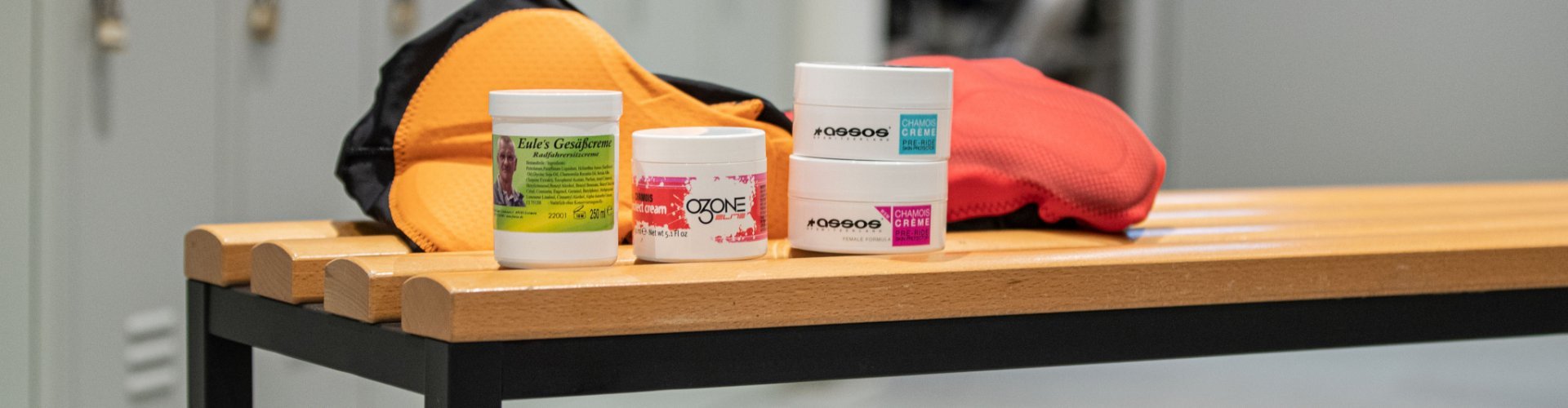
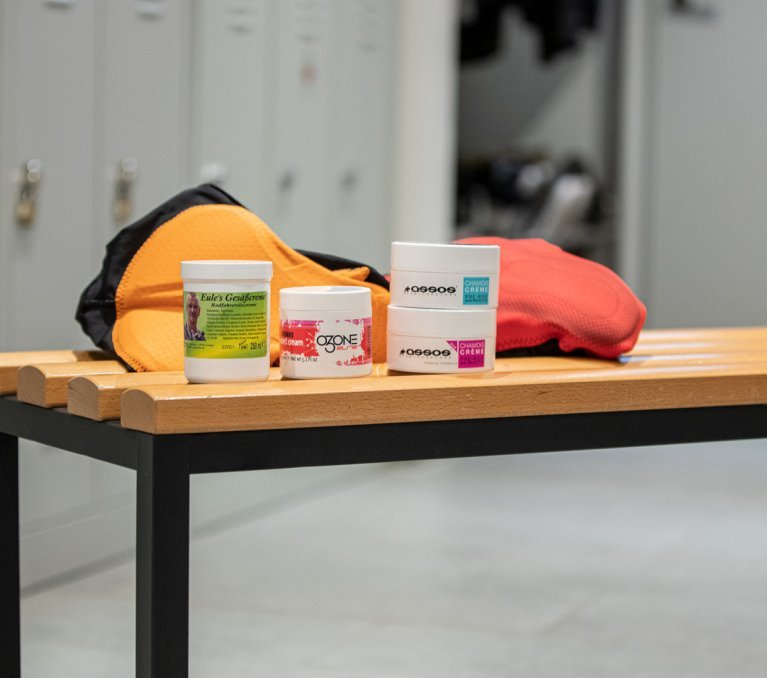
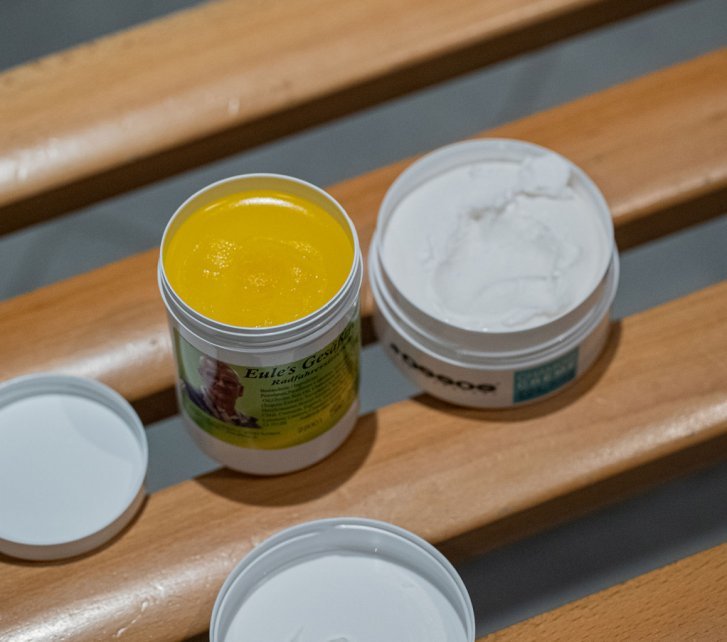
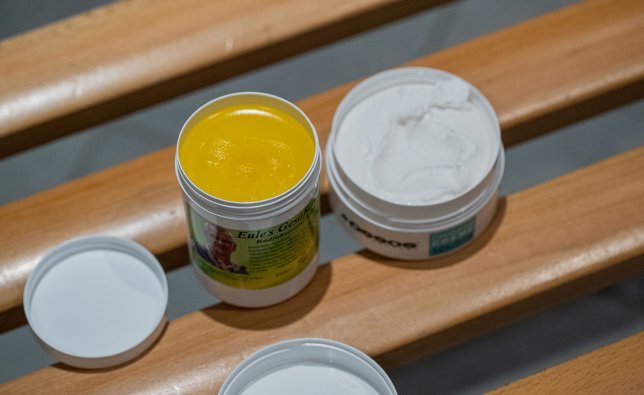
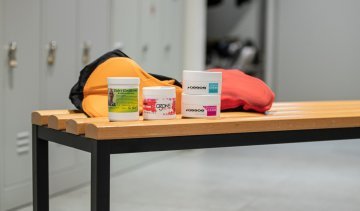
Traditional Chamois Creams like Assos and Eule's chamois cream offer a modern alternative to classic Vaseline. © bc GmbH
Many creams should not come into contact with mucous membranes, as they can disrupt the pH balance in the female intimate area. For this reason, specific chamois creams for women now exist. They avoid strong fragrances or other aggressive ingredients, allowing you to apply them anywhere without irritating sensitive tissue. Some women’s chamois creams also offer a cooling effect. It’s worth trying different options – your personal comfort should guide the choice.
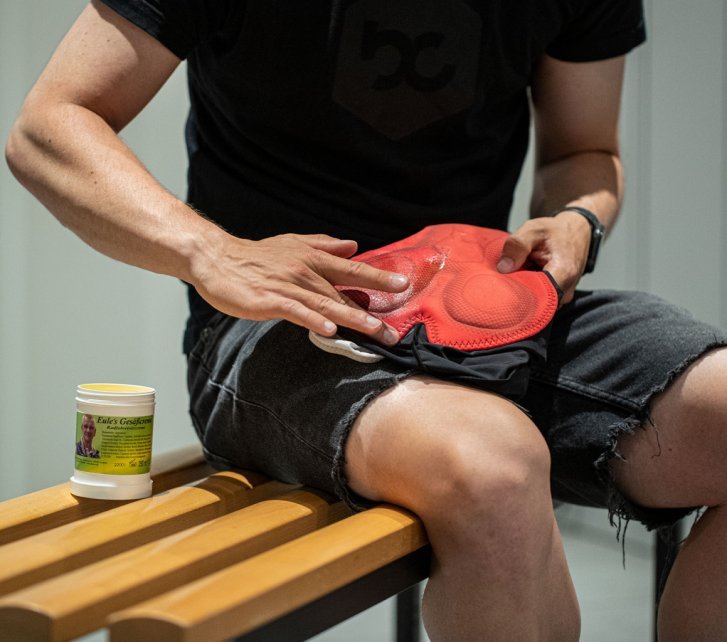
When you’re getting dressed for your ride, that’s the perfect moment to apply chamois cream with clean (!) hands. You can apply the cream directly to your cycling shorts – specifically to the chamois and seams in the seat area – or you can apply it directly to your skin. For long rides, we recommend applying the cream directly to your skin, plus an additional thin layer on the chamois. Focus on the pressure and friction points: your sit bones, perineal or genital area, and inner thighs. Don’t be afraid to be generous with the amount you use. Whether you prefer applying it to skin or shorts is entirely personal – both methods work effectively.
By the way: It’s also a good idea to use chamois cream on the indoor trainer, as you’ll sweat more due to the lack of airflow.
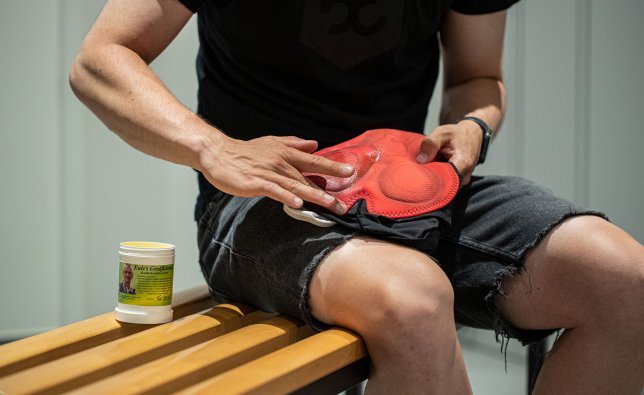
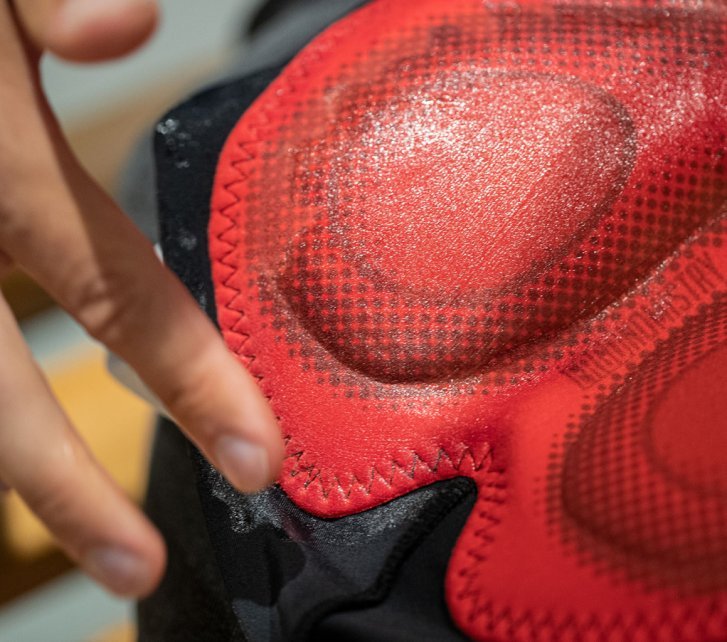
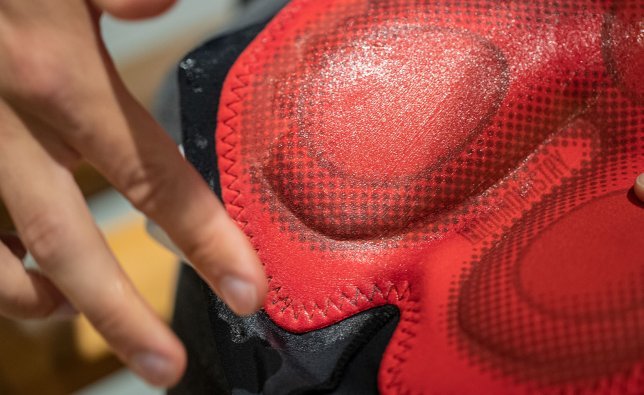
When using chamois cream, make sure to apply it thoroughly to chafe-prone areas such as the seams. © bc GmbH
Many brands offer soothing gels that you can apply after a ride: either as a preventive measure – “after the ride is before the next ride” – or whenever you notice mild irritation. These gels are designed to reduce swelling, cool the skin, and speed up the healing process. If you continue to experience acute skin issues after a ride, it’s time to visit a pharmacy or doctor. In general, it’s a good idea to take a break until the symptoms have completely disappeared. Then you can get back in the saddle – fully protected and comfortable.
Even if it sounds absolutely obvious: Wash your cycling shorts after every ride! This ensures no residues of sweat or chamois cream linger, which could irritate your skin. Follow the care instructions from the clothing manufacturer and preferably use specialized liquid detergents for sports apparel.
Not just your cycling shorts need a wash and care after a ride, but your bum does too. This is particularly important if you plan on cycling the next day. Meaning: shower, or if there’s no shower available on your tour, wash off sweat and chamois cream residues with water and mild soap and dry thoroughly. When you hop on your bike the next morning, both you and your bib shorts will be clean – this prevents germs from spreading. Speaking of germs: Remember to apply chamois cream with washed hands only.
Use an amount about the size of a hazelnut to a walnut. The goal is a thin, even glide film – not a thick layer. For longer rides (over four hours) or very sensitive skin, you can apply a bit more. Over time, you will develop a feel for the perfect amount.
It’s best to apply the cream directly to your skin. This ensures it’s exactly where you need it. Many pros also apply a very thin layer to the chamois to maximise lubrication.
High-quality chamois creams are designed to last several hours. Most will hold up for 4–6 hours. If you’re planning a 200 km brevet or a full day on the bike, it can be useful to take a small travel-size tube to reapply halfway through. In wet weather, reapplying may also make sense depending on the product.
Ideally, apply the cream 15–30 minutes before getting on the bike. This allows it to absorb slightly into the top layer of skin and create a protective barrier instead of remaining only on the surface and being absorbed by the fabric straight away.
Not necessarily. Many riders only use cream for rides longer than 1.5–2 hours. If you have very sensitive skin or are new to cycling and your skin isn’t used to the stress yet, a thin layer can increase comfort even on short rides.
Yes – that’s exactly what it’s made for! High-quality chamois creams create a water-repellent barrier. In wet conditions, friction increases due to softened skin and damp clothing, so cream is especially important. On long rides, you may want to reapply along the way.
Heavy sweating increases the risk of skin irritation. Choose a cream described as particularly long-lasting or “waterproof”. Even more important, though, is the right cycling short: pick one with a breathable chamois that wicks moisture away from the skin quickly.
Winter riding means cold feet? Not anymore! With our tips, you can banish freezing toes and enjoy every chilly ride.

Cycling through autumn and winter: motivation, gear and safety tips. We’ll show you how to get yourself and your bike ready for the cold season.

When cycling in the dark, highly visible clothing and accessories are essential. Find out how to properly equip yourself and your bike here.
No more sore spots after long bike rides! Chamois cream can provide relief. Here’s how to find the right one and use it well.
When it comes to washing and caring for your bike threads, you can do a lot right – or really wrong. We will show you how.

Never underestimate your undershirt! Because the right baselayer can improve your performance and your ride. How? We'll explain here…

It's gotten cold, but you're still eager to bike? Here's what you need to know when choosing the right winter jersey.

Filthy weather - and still out on the bike. But what do I actually have to pay attention to regarding waterproof and windproof bicycle clothing?
Send your unused goods back within 100 days after purchase and get your money back!
See more