
Winter Bike Care
After rides in rain, mud or on salted roads, your bicycle needs some TLC. Learn how to properly clean and care for your bike.
Commuting by bike saves fuel costs and time, reduces stress and is good for the environment. Find out how to make your commute as comfortable as possible.
The train is late again, someone is glued to your backpack on the bus and by car you’re stuck in traffic anyway? Sounds familiar? Then it’s time for a change of perspective and two wheels! If you ride to work by bicycle or e-bike, you’re doing something for your physical and mental health, helping to protect the environment and saving money at the pump. At bike-components we ride every day – in sunshine, rain and winter. Here we share eleven ultimate tips for bike commuting: from clothing and bike lights to the perfect route.
“I ride my bike in everyday life whenever I can. I only make exceptions when it’s pouring rain or the wind is almost blowing me off the bike. For the best comfort, I swear by the so-called layering principle: wearing several layers. That way I can adapt flexibly to the weather.”
Depending on how long and demanding your commute is, you can either wear functional cycling clothing or ride in your everyday clothes. What matters most is that your clothing (especially your jacket) is breathable, otherwise you’ll start to feel uncomfortably warm after just a few minutes.
Rainwear is part of the essential kit. Here too, look for breathable materials so you don’t overheat!
And even if it’s only a short trip: choose reflective clothing in bright colours! You’ll be more visible, which is a major safety advantage in traffic – at any time of day or night.
Our final tip: a fresh change of shirt at the office can be good for your comfort and that of your colleagues.
“To get into the routine of bike commuting, I first committed to two fixed days per week. No matter what the weather was like. And sure enough, over time cycling to work became completely natural. Since then, I ride to work every day.”
If you wait for motivation, you’ll wait forever. The trick is routine. Commit to two fixed days per week when you ride your bike. No excuses. You can add a third flexible day depending on the weather and how you feel. With this plan, cycling quickly becomes a habit – and three days a week soon turn into four, and before long, five.
Need a bit more accountability? Find a commuting buddy. Arrange to start your ride together – it boosts motivation and makes the journey more enjoyable.
And remember: habits take time to build. But once you’re in the routine, you’ll soon wonder why you didn’t start cycling to work much earlier.
“Good bike lights are important to me. My E-Bike is equipped with a bright light including daytime running lights and a light sensor. That way I don’t have to think about it and never forget to switch the light on, even in well-lit urban areas.”
If you ride your bike on public roads, your lights and reflectors must comply with local road regulations. This not only increases your safety on the bike but also helps you avoid trouble during traffic checks.
Permanently installed dynamo lighting is especially convenient for commuting: your lights are always there and ready to use. With removable rechargeable lighting, you should keep an eye on battery life and plan regular charging times – ideally as a fixed reminder in your calendar. In addition to the required lights and reflectors, you can further improve your visibility with:
In our articles on bike lighting and high-visibility cycling, you’ll find more information about proper bike lighting and clothing.
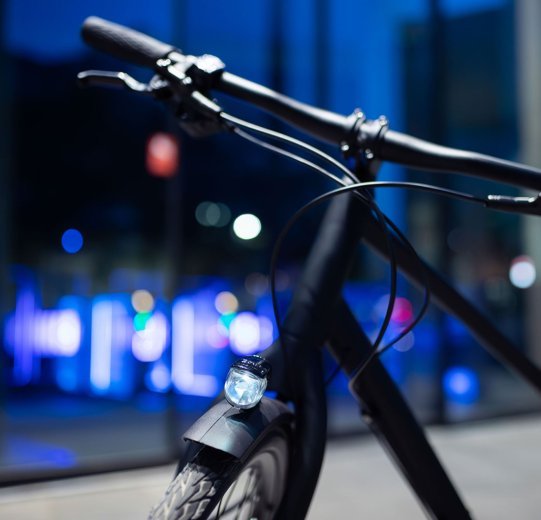
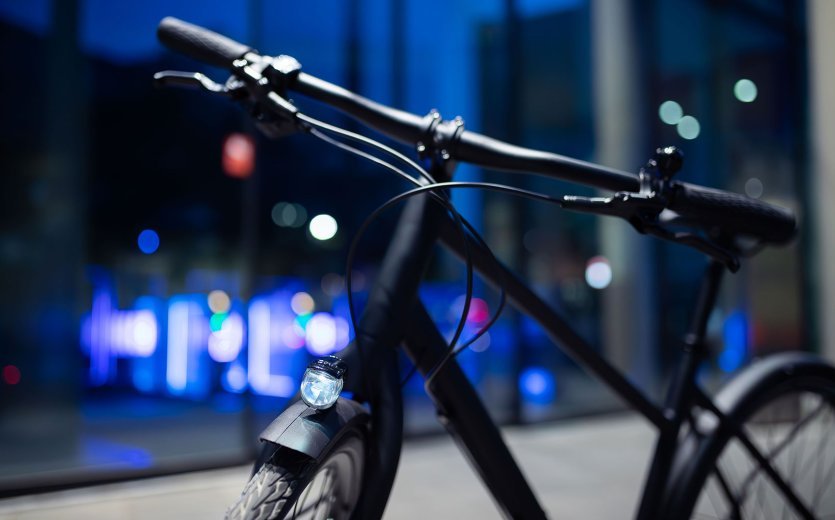
A dynamo-powered front light keeps you visible in the city – no charging, no worries. Just hop on your bike and let the light run with every pedal stroke. © bc GmbH
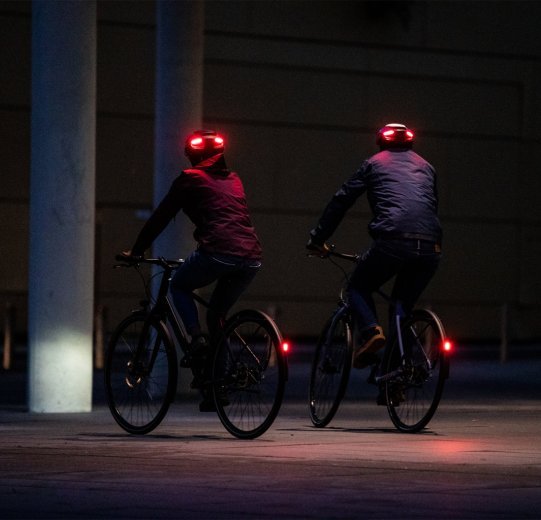
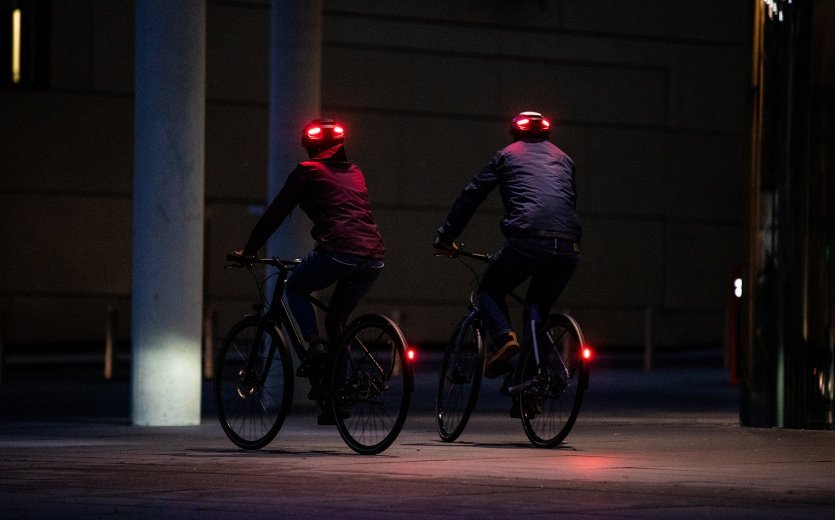
With integrated lighting in a Lumos helmet, you stay visible in city traffic after dark – added safety that shines right at eye level. © bc GmbH
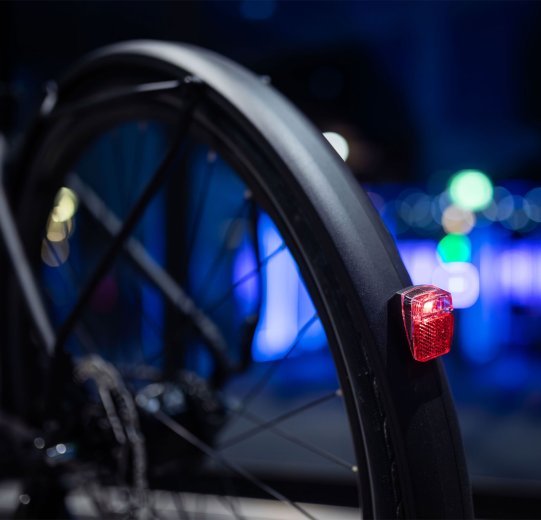
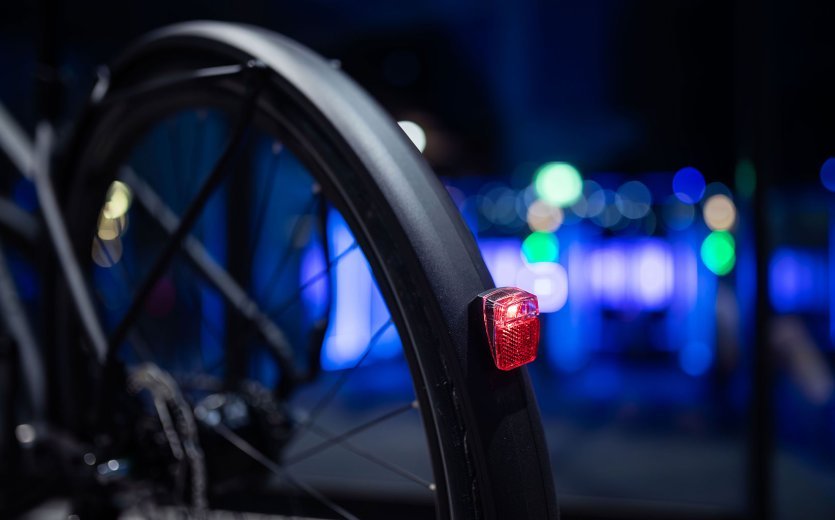
A dynamo-powered rear light mounted on the fender keeps you clearly visible from behind – no charging needed, just dependable lighting on every ride. © bc GmbH
“I get everything ready the night before that I’ll need the next day. My bag is packed and my lunch is ready in the fridge. That way I’m not tempted in the morning to choose anything other than the bike.”
If you want to set off in the morning without stress, a bit of preparation makes life easier. Pack your bag the evening before, charge your bike lights if needed, and check the weather forecast to lay out the right clothes. That leaves no room for excuses in the morning.
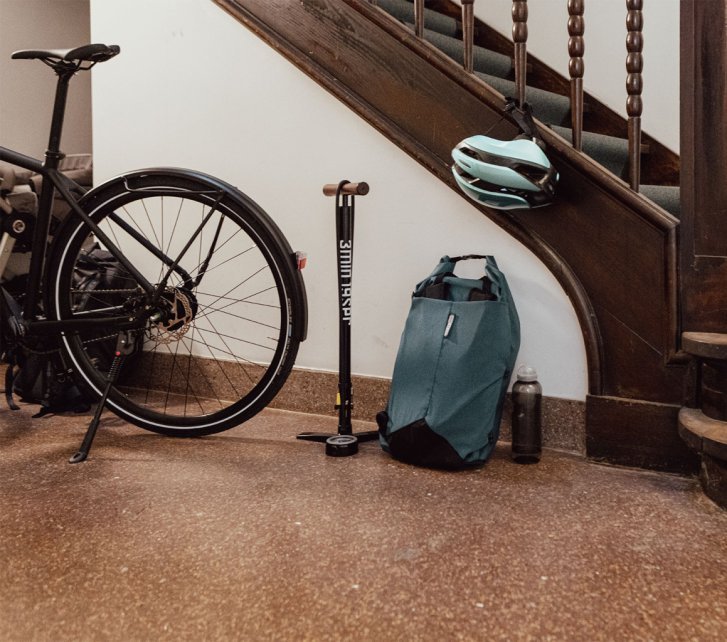
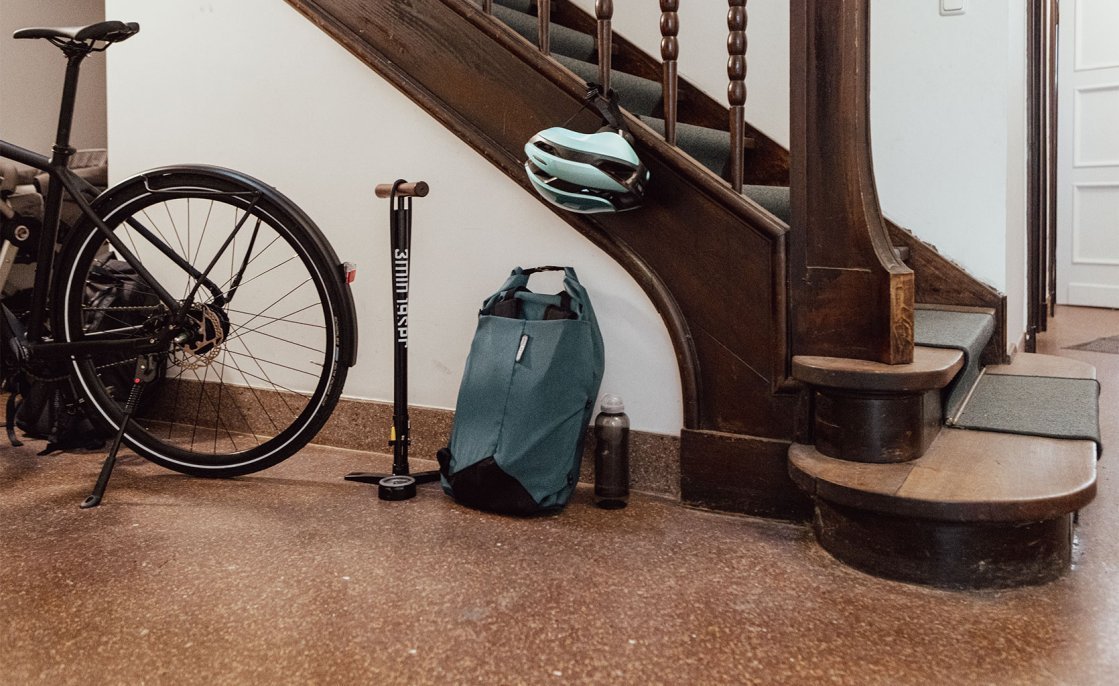
Also remember to check your bike regularly – especially if you don’t ride every day. It takes less than five minutes and saves time and nerves in the morning. Here are the four most important points:
In our article on bike lighting we explain everything you need to know about bike lighting.
A quick pre-ride check makes all the difference: tyre pressure, clean drivetrain, working brakes. That’s how you start your cycling routine safely and reliably. © bc GmbH
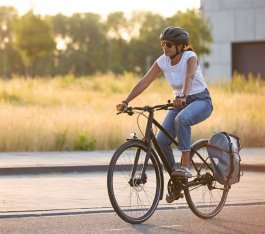
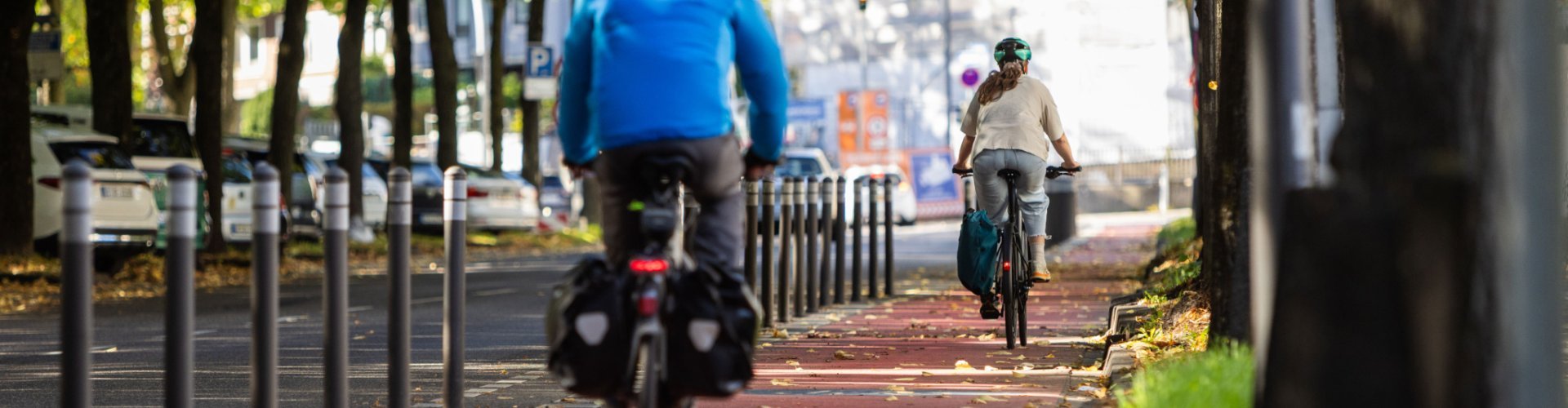
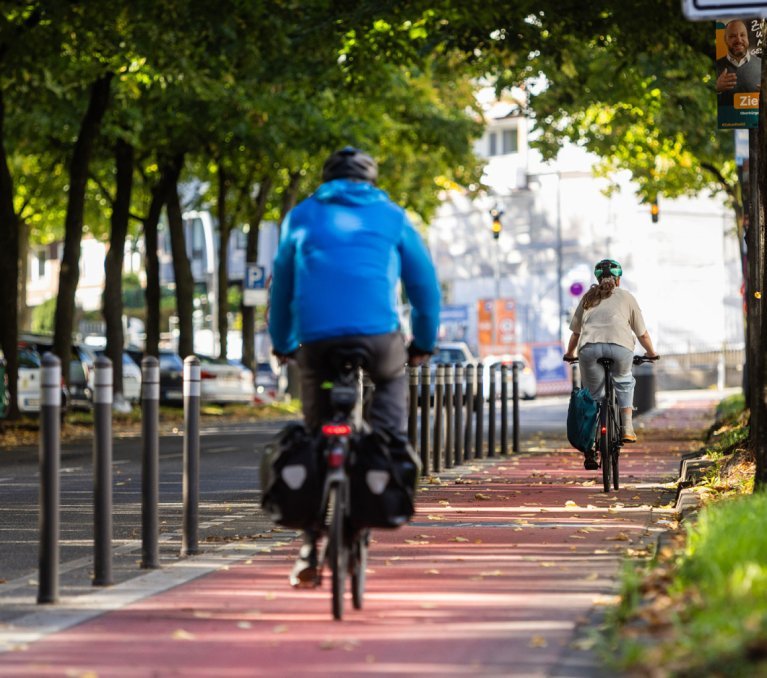
Choose the most relaxed route to work: traffic-calmed streets, smooth bike paths and a stress-free start to your day. Your commute becomes a moment to unwind. © bc GmbH
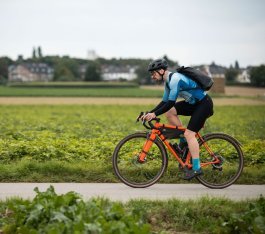
The sportiest way to work: open roads, steady pace and a rising heart rate. Ideal if you want to turn your commute into a focused training session. © bc GmbH
“Depending on my mood (and time pressure), I vary my commute. If I’m running late, I take the most direct route. If I want to arrive relaxed, I choose the quieter, more scenic way. On the ride home I often add a little detour and do something for my fitness at the same time.”
You don’t have to ride the same route every day. Especially if you commute regularly, a bit of variety brings fresh energy into your routine. Simply plan several routes:
For ideas on alternative routes, you can use apps like Komoot or Strava. They show distance, elevation profile and estimated duration. You can search specifically for bike-friendly routes, choose your preferred surface and much more. Save the route, load it onto your bike computer and follow it the next day. Your daily commute becomes a small adventure or a training ride – depending on what you feel like.
“My rain jacket was one of the best investments I made for daily commuting in all kinds of weather. Breathable, with a hood and in a bright colour! I wear it not only for cycling, but also on miserable weather days off the bike.”
If you commute to work by bike regularly, you should be prepared for rain and cold temperatures. Breathable rainwear is key. It keeps you dry from the outside without making you overheat underneath. The rest of your outfit should also be weatherproof:
Don’t forget: your bike also needs protection from the weather. Properly sized mudguards are essential for daily commuting. And remember to maintain your bike regularly – especially after riding on salted winter roads. On wet streets, a good tyre tread is crucial. If your tyres are worn, it’s time for new ones. Only with proper tread will you have enough grip to ride safely. In our winter commuting guide, you’ll find more tips on bike equipment and maintenance in winter.
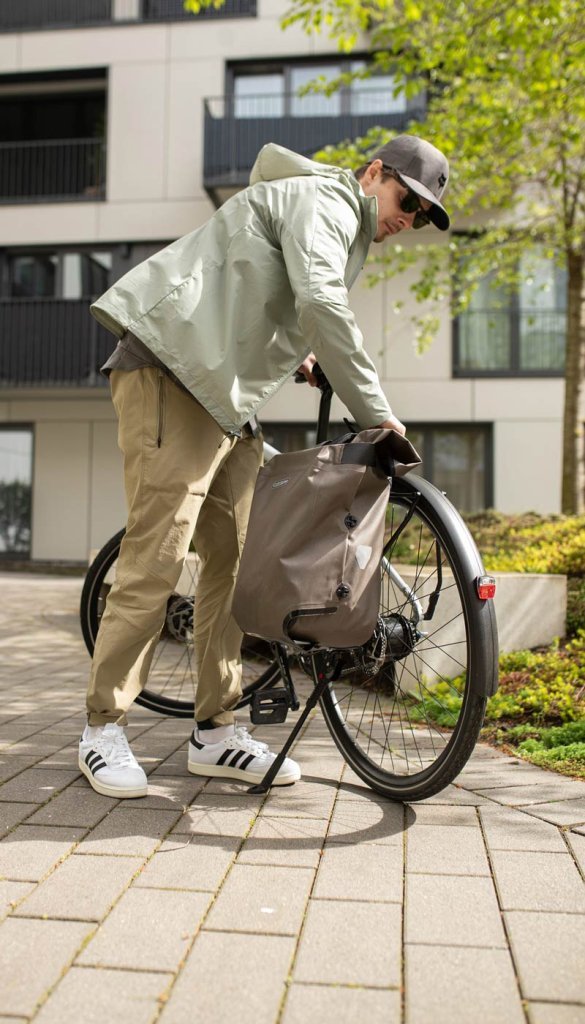
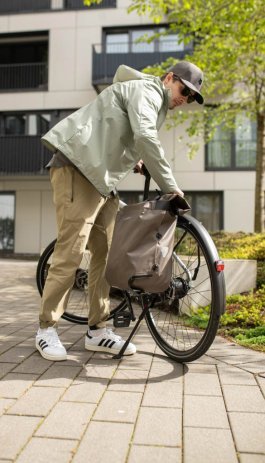
Practical for everyday use: a waterproof bike bag on the luggage rack provides storage space for a laptop, shopping, or a change of clothes—ideal for commuters and urban mobility by bike. © bc GmbH
“My top commuting tip? Mount as much as possible on the bike! With panniers on the bike my back stays free and I arrive at work much more relaxed (and with a dry back).”
Especially if you tend to sweat a lot while cycling or suffer from back tension, you should prefer bike bags over a backpack. Thanks to clever quick-release systems, most panniers can be removed with a single movement. Many models are even available as hybrid solutions: equipped with shoulder straps or backpack harnesses, they turn into a shoulder bag or backpack once you’re off the bike. With an additional bag or a basket, you can easily do your grocery shopping on the way home.
If you regularly carry a laptop or other sensitive items, look for separate padded inner compartments. That way everything stays protected and in place, even on rough roads.
Most bags are waterproof or water-resistant. For very wet days, an extra rain cover can be useful — the same goes for a backpack.
“After commuting to work by bike regularly for a few weeks, my backside was still hurting. So I did some research and treated myself to a new saddle. Now I finally sit comfortably and commuting is even more fun.”
Does that sound familiar? If your bicycle saddle feels uncomfortable and your sitting area hurts, it’s a sign that something isn’t right. In our article about choosing the right bicycle saddle, we explain what makes a good saddle and how to find the right one depending on how and what you ride. The correct saddle width is also very important.
Do your hands, arms, or neck hurt? Then the grips could be the issue — our guide to the right bicycle grips can help.
Also don’t forget proper bike fit! In our ergonomics basics guide, we share many tips on correct saddle height and handlebar adjustment. Sometimes it’s not just an unsuitable saddle or grips, but an incorrect bike setup. Take some time to adjust your bike properly — you’ll ride more ergonomically and comfortably.
“Depending on what’s ahead of me or already behind me, my time on the bike helps me clear my head – either to prepare for the workday or to relax and switch off afterwards.”
Your commute doesn’t have to be an annoying obligation – it can be intentional “me time.” Half an hour just for you. No crowded buses or frustrating traffic jams, just fresh air and movement.
Don’t stress yourself! If the day was demanding, take a small detour on a quieter route on your way home. Leave the impressions of the day behind and give yourself time to breathe. You’ll arrive home more relaxed and ready for whatever awaits you there – or simply to wind down your evening in peace.
At the same time, you’re saving money, doing something good for your health, and helping the environment as well.
“I use my bike almost every day, so I decided on a high-quality model. My tip: talk to your employer! With bike leasing, you can spread the cost of your dream bike over several years and even save on taxes.”
A high-quality bike isn’t cheap – no question about it. But a good bike often delivers more riding enjoyment, is more durable and safer. That’s exactly where bike leasing can help, because it makes premium models more affordable. Through your employer, you can lease your dream bike over a fixed period. The monthly payments are deducted from your gross salary, which can provide tax advantages. Accessories such as mudguards, racks, lighting or locks can often be included in the financing. At the end of the term, you can decide whether to buy the bike at its residual value or lease a new one.
Insurance is mandatory, but there’s no need to worry: most leasing providers offer comprehensive protection packages that cover theft, vandalism and accident damage.
“I have a fairly long commute to work. In summer I often ride both ways by bike, but in winter I take the train in the morning and cycle home in the evening. Combining cycling with public transport improves my chances of commuting by bike – especially in winter.”
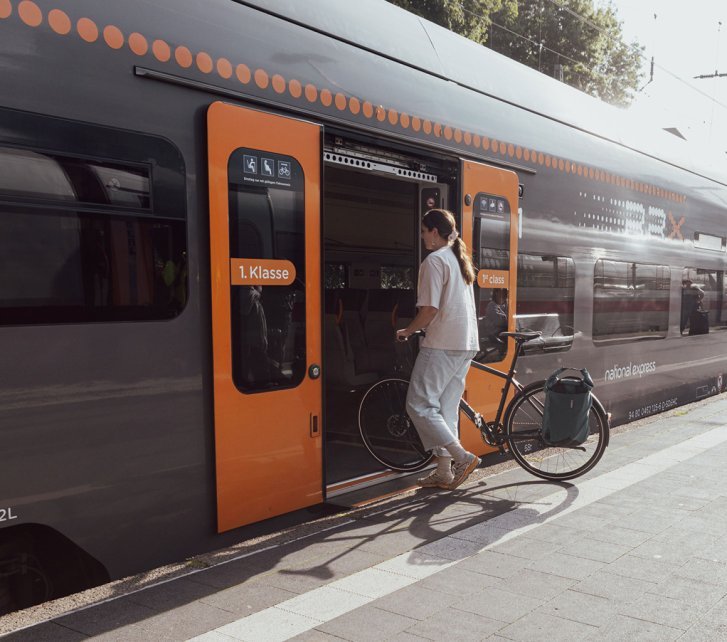
If your commute is (still) too long to ride the entire distance by bike, you can combine different modes of transport and arrive more relaxed. In many places you have several options:
You should definitely check the rules for taking bicycles on buses and trains. Depending on the region and time of day, regulations may vary.
If you use bike and ride, you should invest in a good lock. If you take your bike on the train, a small lock is useful. That way you can focus on other things without worrying.
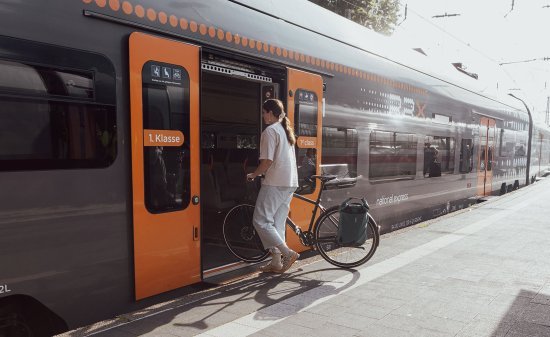
Smart commuting: ride your bike to the station and continue by train. Combine two-wheel flexibility with the comfort of public transport. © bc GmbH
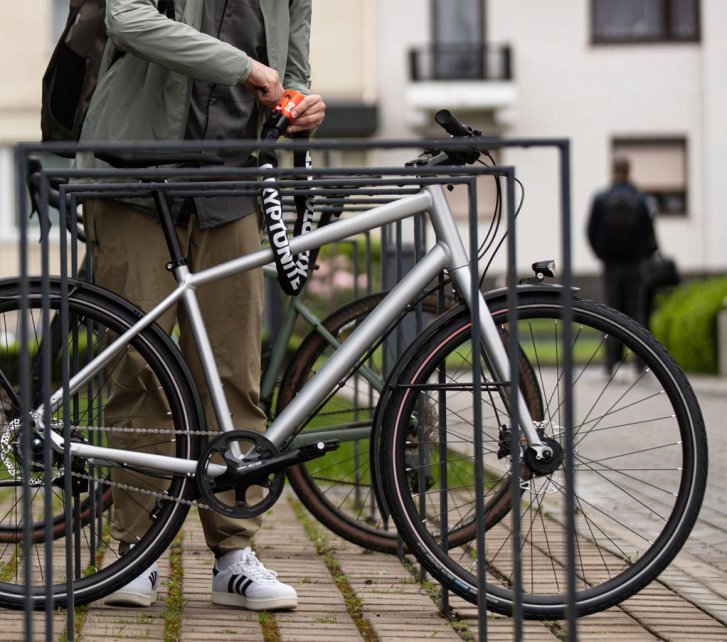
With the right lock, you secure your bike to a solid object – a key step in effective everyday theft protection. © bc GmbH
Choose two fixed days per week and increase gradually. If your commute is not very long, you can also go all-in and start cycling to work every day from a set date. Build a routine no matter what! Soon bike commuting will become a natural part of your life.
If you tend to sweat quickly while cycling, ride at a relaxed pace and wear breathable clothing! A useful rule of thumb: don’t overdress. Dress so that you would feel slightly cold after a few minutes of standing still. Then you’re usually dressed right for cycling. You can also keep spare clothes at your workplace. A route that feels exhausting on an old city bike might be easy on a fast gravel bike or an e-bike. Especially for beginners, the right bike can make a huge difference.
If it often rains heavily and your commute is long, rain trousers are useful to keep you dry and protect you from getting cold. If your commute is under 30 minutes, a rain poncho may be enough. In any case, make sure your bike has sufficiently long mudguards to protect you from spray.
If your bag is lightly loaded, a single pannier is fine. Once it gets heavier, it’s smarter to use two panniers — one on each side. This keeps your bike balanced and improves handling.
The best solution is to carry an emergency kit on your bike. This should include: a spare tube, tyre plugs if you ride tubeless, a pump or CO₂ cartridges, a quick link, and a multi-tool with chain tool.
You should keep the following at your workplace: a spare shirt, a towel, possibly wet wipes and deodorant, spare socks, and a charging cable. If you sweat a lot, a full change of clothes is recommended.
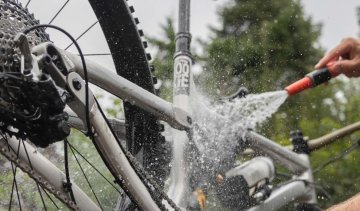
After rides in rain, mud or on salted roads, your bicycle needs some TLC. Learn how to properly clean and care for your bike.
“Hey you! Yes, you on that lightning-fast Factor race bike! Bet your tyre pressure is too high?”
Find out the optimal tyre pressure for your bicycle tyres and why you’ll roll more easily without sacrificing puncture protection or comfort!
Cycling through autumn and winter: motivation, gear and safety tips. We’ll show you how to get yourself and your bike ready for the cold season.

Our guide explains the main bicycle valve types and their differences – from classic Presta to the innovative Schwalbe Clik Valve.
When cycling in the dark, highly visible clothing and accessories are essential. Find out how to properly equip yourself and your bike here.
A handlebar bag is pretty much the handbag for biking. "Ultimate" is Ortlieb's solution. Is it true?

Are your kids not into bike helmets or does the helmet sit all wonky sometimes? Here are some tips to keep the little ones safe.

With the right bike light, you’ll ride safely and legally through the dark. Here’s everything you need to know.
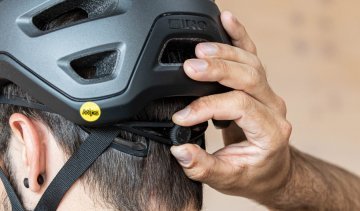
A helmet protects the head, but only if it is correctly fitted. How to adjust your helmet properly is explained here in a few simple steps.
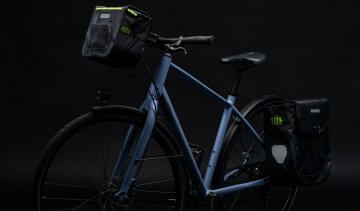
Till now, lights and handlebar bags were separate accessories. ORTLIEB combined them both. Now, urban biking is that much safer.
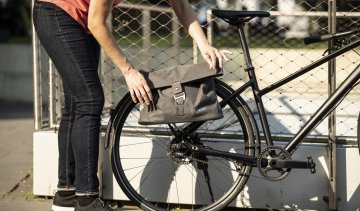
Pannier mounts and clean looks don’t mix well. With the Twin-City Urban, ORTLIEB has developed a bag that can do both.
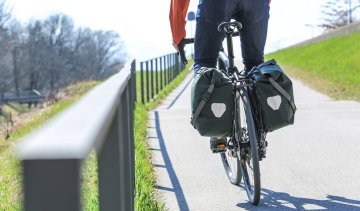
Imagine if Danny MacAskill was a banker - then he would probably ride to work with this special ORTLIEB classic...
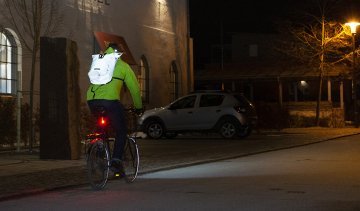
When it get dark out, it is important to be seen on you bicycle and that is why you shouldn't leave the house without this piece of kit...
Send your unused goods back within 100 days after purchase and get your money back!
See more