

How to Chain Wax: Easy bike chain waxing guide
Chain wax ensures a clean, quiet, and highly durable bicycle chain. Whether it's hot wax or drip wax - we'll show you how to properly wax your bike chain.
After rides in rain, mud or on salted roads, your bicycle needs some TLC. Learn how to properly clean and care for your bike.
If you use your bicycle during winter for your daily commute to work, university, school or for running errands, it’s all too familiar with rain, mud and road salt. After rides like these, your bike needs proper care, as moisture, sand and dirt take a toll on your bike chain and the rest of the drivetrain components, leading to premature wear.
Road salt is even more aggressive: it attacks not only metal parts, but also paint, rubber and plastic components on your bicycle. Mudguards help keep you and your bike reasonably clean, but they can’t replace a thorough wash after contact with road salt. And don’t forget: your bike can also come into contact with salt when transported on a rear bike rack mounted to your car. In that case, it should be cleaned carefully as well.
Here, we’ll explain which tools you need for cleaning your bike and what you absolutely need to keep in mind. Trust us – it’s worth it. A clean, well-maintained drivetrain is key to enjoying your bike for years to come.
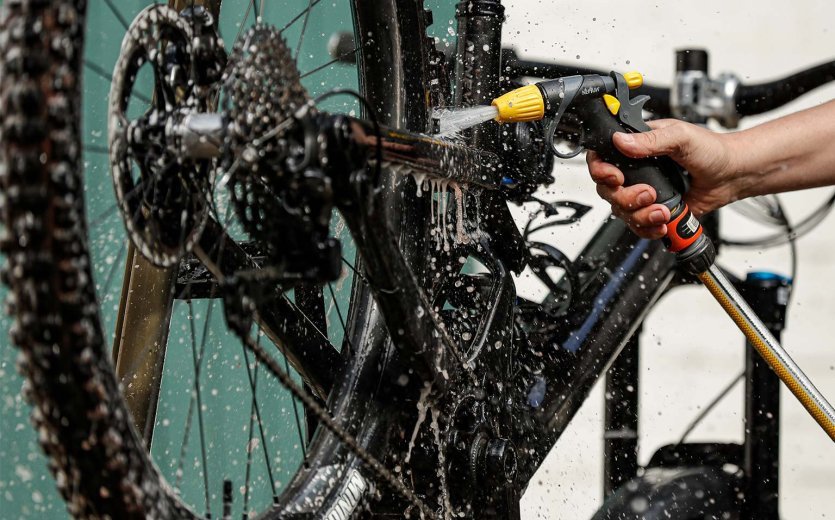
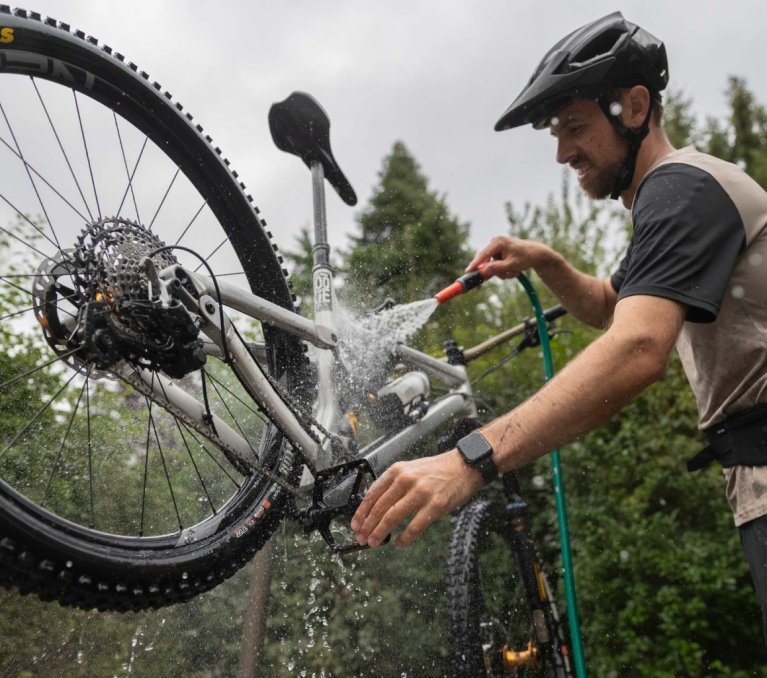
Rinse off coarse dirt with water first. This removes mud and salt gently before moving on to cleaner and brushes for detailed cleaning.
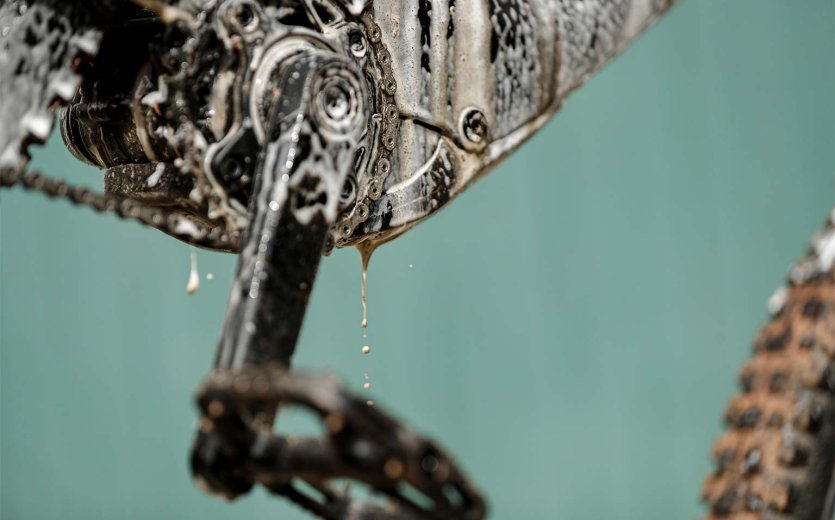
If dirt is stubborn, spray your bike with a cleaner. Let it sit briefly so oil, salt and mud can loosen more effectively.
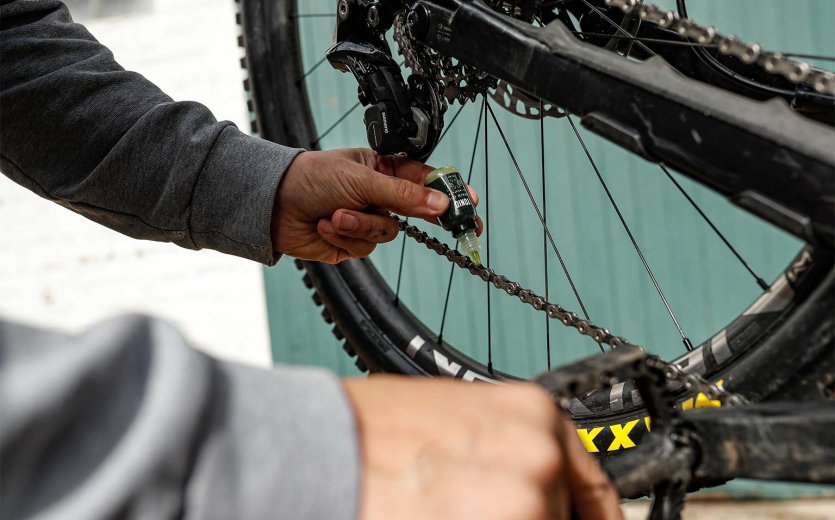
Once everything is clean and dry, apply fresh lube to the chain. This keeps the drivetrain smooth, quiet and well protected against corrosion.
This overview helps you decide after every ride whether your bicycle needs a quick clean or a full maintenance routine. You’ll find the step-by-step guide for thorough bicycle cleaning and care further below.
After Every Ride: Check the Drivetrain and Clean & Lubricate if Needed
After Every Ride: Clean Suspension Components and Dropper Post
Road Salt or Heavy Mud: Clean the Entire Bicycle
After Washing: Lubricate the Drivetrain
Once the bike is clean and dry, lubricate the drivetrain.
For autumn and winter, chain lubricants designed for wet conditions (so-called wet lube) or all-round lubricants for changing conditions work best. Even belt drives benefit from occasional belt care.
Check Regularly: Brake Pads
Moisture and dirt increase wear on brake pads.
Check them regularly and replace them in good time.
After Winter: Bicycle Service
A service at a trusted bicycle workshop helps extend the lifespan of your bicycle and prevents potential issues.
Of course, you can also perform a comprehensive service yourself.
If your bicycle has become very dirty or you’ve ridden through road salt, you should clean the entire bicycle thoroughly. Here we explain what you need and what you should pay attention to in detail.
For a thorough bike wash, you should plan about 20 to 30 minutes.
Low-pressure cleaner or medium-pressure cleaner / garden hose / watering can / bucket of water
Bicycle cleaner or soapy water (observe local wastewater regulations)
Various bike brushes
Water-soluble chain cleaner for the drivetrain
chain lubricant (all-round or for wet conditions), and if needed belt care products
gloves (optional)
care products such as care spray, polish or wax (optional)
From time to time, you can apply a care spray with corrosion protection. It displaces moisture after washing and forms a thin protective film that helps shield your bike from dirt, water and road salt. It also makes it easier to remove dirt during future washes.
A protective polish or wax can also help protect your frame from the harsh conditions of winter.
Important: Make sure to keep lubricants and care sprays away from the brakes.
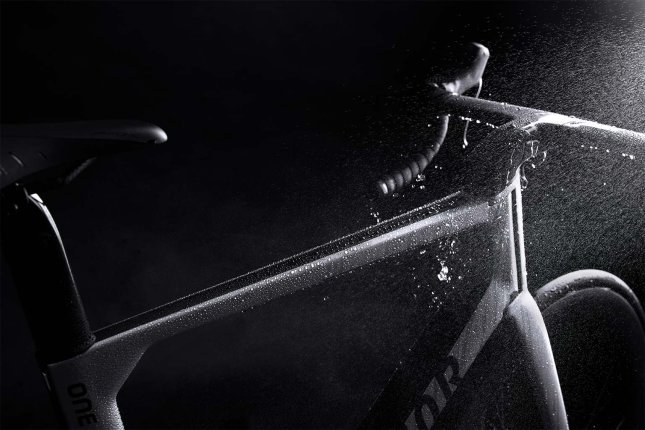
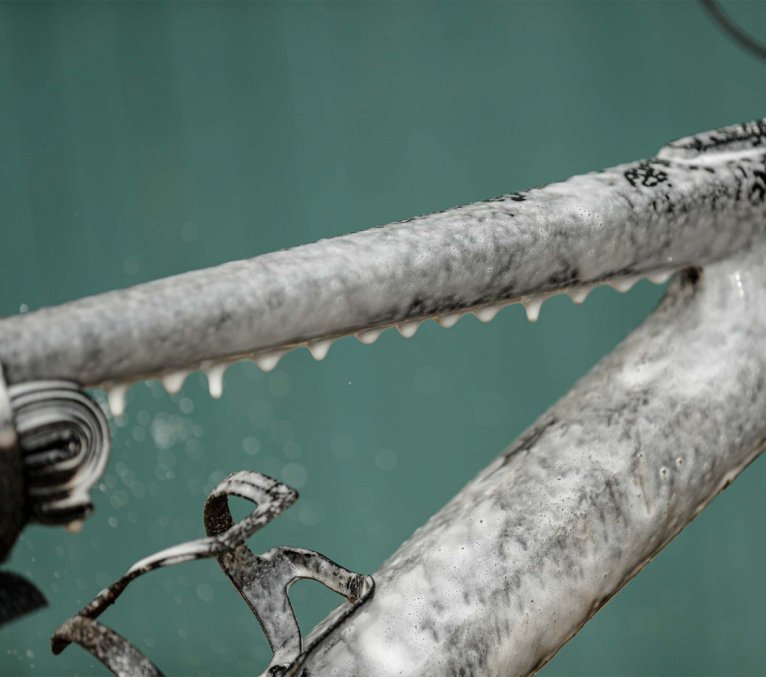
Thanks to ceramic coating, water, mud and grime bead off the frame with ease. Your bike stays cleaner for longer and is much easier to maintain, even in winter. © bc GmbH
If you don’t have a garden hose at home, be cautious when using a pressure washer at a gas station. The high water pressure can wash grease out of bearings and may also damage seals, bearings and—on e-bikes—even electronic components.
There are battery-powered low- or medium-pressure cleaners available for home use. Alternatively, you can simply use a bucket of water or a watering can.
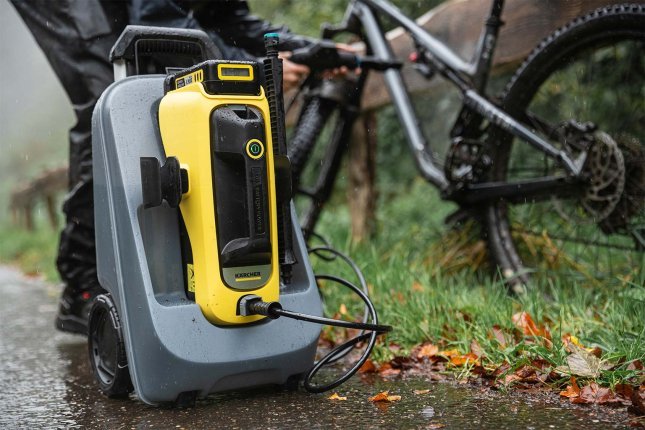
Using a low-pressure washer helps you clean your bike thoroughly without damaging paint, bearings or seals. In winter especially, gentle cleaning is the smarter choice. © bc GmbH
If you’d like to know what else to consider when cycling in winter, check out our blog article on winter commuting by bike. For better visibility during the darker months, our article on high visibility while cycling offers many helpful tips. And when it comes to lights, take a look at our guide to proper bicycle lighting.
After every ride, you should at least check the drivetrain and clean and lubricate it if necessary. A full bicycle wash is required whenever your bike is heavily soiled or has come into contact with road salt.
Avoid using pressure washers, as they can flush grease out of the bearings and may damage the electronics on e-bikes. Also make sure that lubricants and care sprays do not get onto the brakes, brake discs or rims.
Before winter begins, you can thoroughly clean your bicycle and apply a protective spray or polish with corrosion protection. This helps shield your bike from moisture and salt—and also makes it easier to remove dirt during the next wash.
If your bicycle has come into contact with road salt, a thorough wash is essential. Use a bicycle cleaner and (lukewarm) water, making sure to remove all salt residue—otherwise rust may develop. Afterwards, dry your bicycle and lubricate the chain.
First rinse your bicycle with water and, if necessary, spray it with a (bio) bicycle cleaner. Clean the entire bike thoroughly using a sponge or different brushes. Afterwards, dry it with a soft cloth and apply suitable care products—at the very least a chain lubricant for the drivetrain.
Make sure your bicycle is always stored clean and dry. If it remains damp in your basement for several days after a ride through road salt or rain, this can lead to rust and premature wear.
Chain wax ensures a clean, quiet, and highly durable bicycle chain. Whether it's hot wax or drip wax - we'll show you how to properly wax your bike chain.
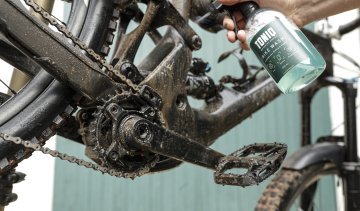
What is the best way to clean your bike after a ride in the mud or rain? Here you will find practical tips and recommendations.

Ready for the season? We’ll show you how to prepare your bike for the upcoming season and which parts require special attention.
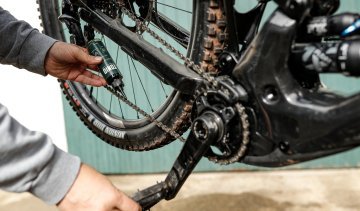
Well-greased chains are smooth, quiet, and shift with precision. But which lubricant is the best? Here are some tips for proper chain care.
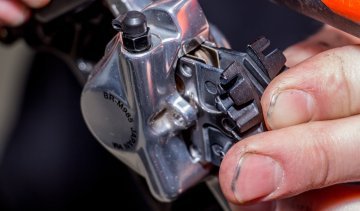
Changing brake pads on bicycle disc brakes? Easy. Take out the old pads and put in the new ones. But is it really that simple?
Send your unused goods back within 100 days after purchase and get your money back!
See more