
Bicycle inner tubes for road bikes or MTBs: Wha...
Bicycle tube or tubeless tyre? Butyl, TPU or latex? Find out which system is best for you and your bike here.
You want to convert your MTB to tubeless? In our How To Isa shows you how to get your tires tubeless and what you need for it.
Pizza or pasta, tubeless or tubed? Decisions, decisions. When it comes down to it, it’s all about preferences and of course the requirements. Because - and I’m not talking about food - both varieties have pros and cons.
Bicycle tyres with tubes are classic. Installing and maintaining them is simple: the tyre is mounted on one side of the rim. The tube is put in. The tyre is completely installed. Pump it up. And done! The biggest con of tyres with tubes: puncture protection is weak, especially off-road when rocks and stones are battering tyre and wheel.
Tubeless tyres allow you to ride lower tyre pressures. That means more grip, thanks to the larger contact area. Besides that, the puncture protection is increased. Small holes, e.g. from thorns, are closed up while riding because of the tyre sealant. And no tube, means no snakebites either. Also notable are the weight savings of tubeless over tubed. Most of the time, a wheel weighs less tubeless. But of course, there are ultra-lightweight tubes. However, we can forget about puncture protection then.
I would recommend trying both options out. This way you’ll find the right one for you pretty quickly. If you decide to go tubeless, the first thing you need to know is if your tyre and rim are tubeless compatible. The tyres have a manufacturer specific indication, e.g. Tubeless Ready on Schwalbe, DT Swiss and Maxxis.
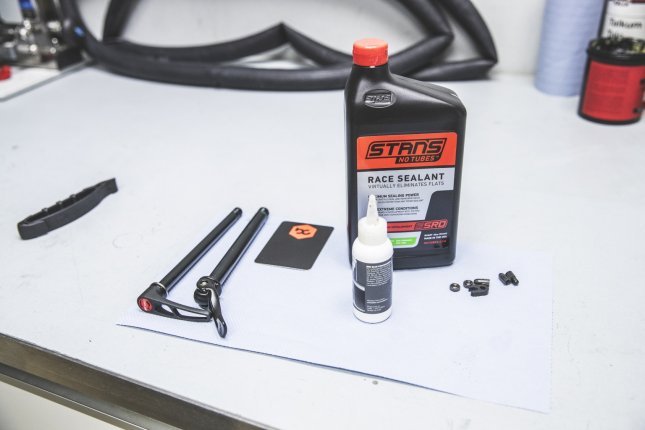
You don’t need much to convert to tubeless
If your rim is already setup for tubeless, you can skip this step. If not, you’ll need special rim tape to seal everything up. The majority of tubeless rim tapes are on a roll like normal tape. That means, you need to cut the length yourself. But please do this after taping the entire rim all the way around with one continuous piece. Before starting to tape, the rim bed needs to be clean and free of any grease. I usually use a brake cleaner and wipe the wheel down with a lint-free cloth. When taping, I first tape a few centimetres behind the valve hole (looking from the drive direction) and pull the tape over the valve hole and once around the wheel. Then, I check to make sure the end of the rim tape overlaps itself at least 5 cm at the valve hole. There, I poke a hole for the tubeless valve.
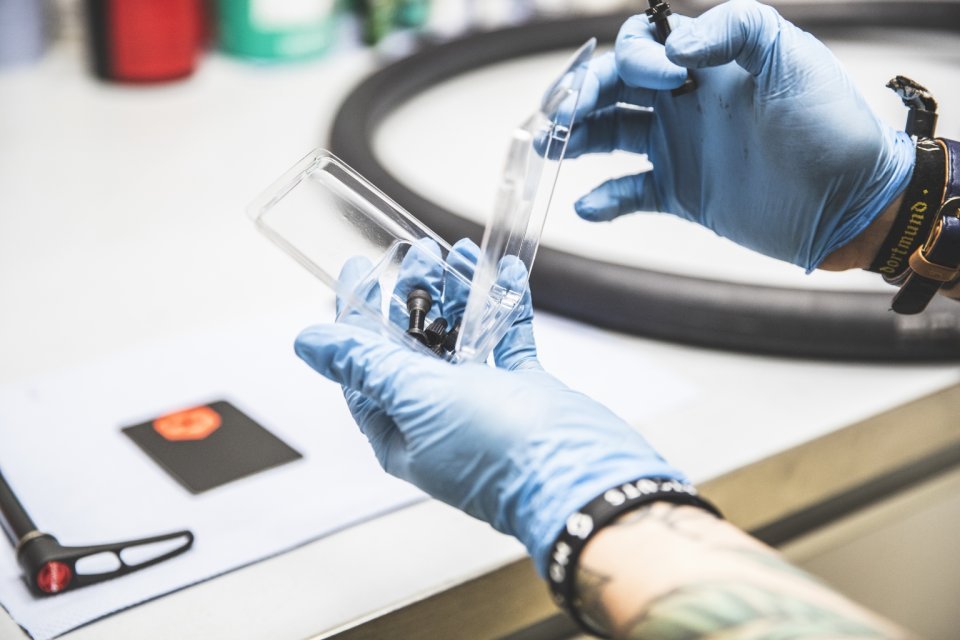
Specific tubeless valves seal up the valve hole.
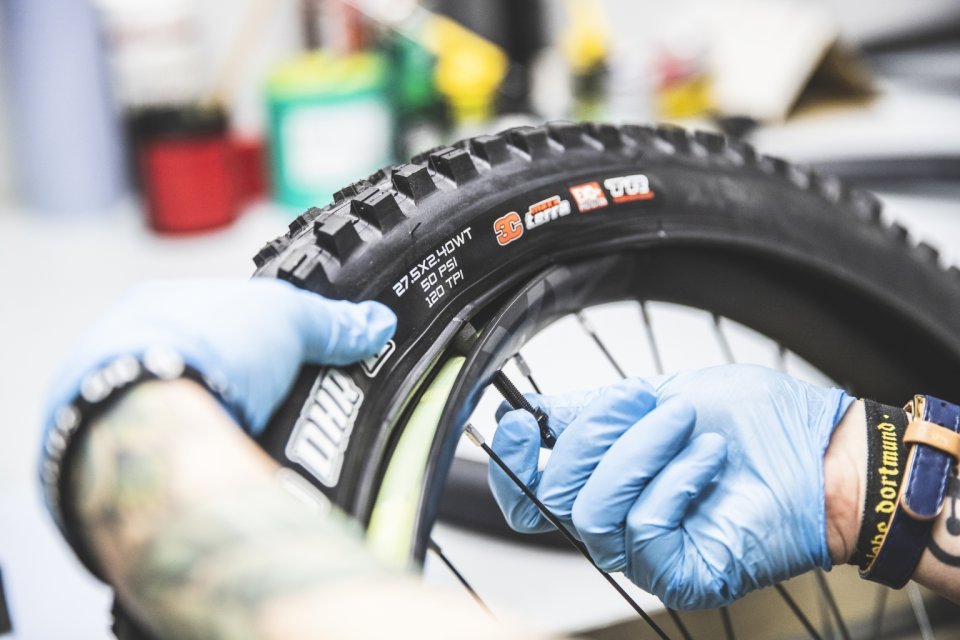
Securing the tubeless valve
Now the tubeless valve can be installed. A defining characteristic of one is the rubber stopper at the lower end. This seals the valve hole once the nut is screwed onto the rim from the other side.
When the tubeless valve is installed, the tyre can be mounted again. Before going through with this step, it is important to know how you want to add the tyre sealant.
Depending on which method you choose, decides how you finish mounting the tyre.
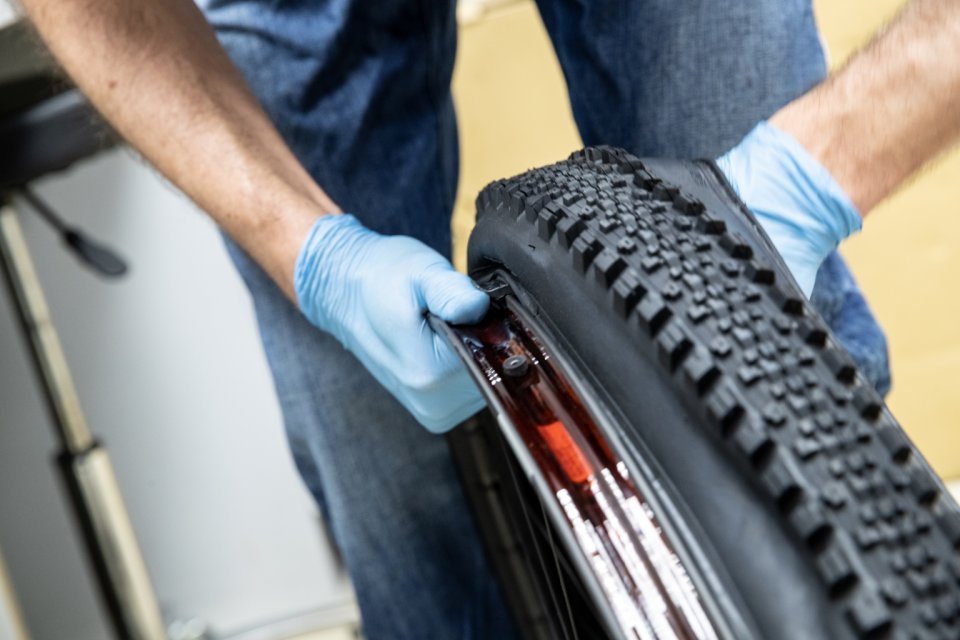
Put tyre on the rim.
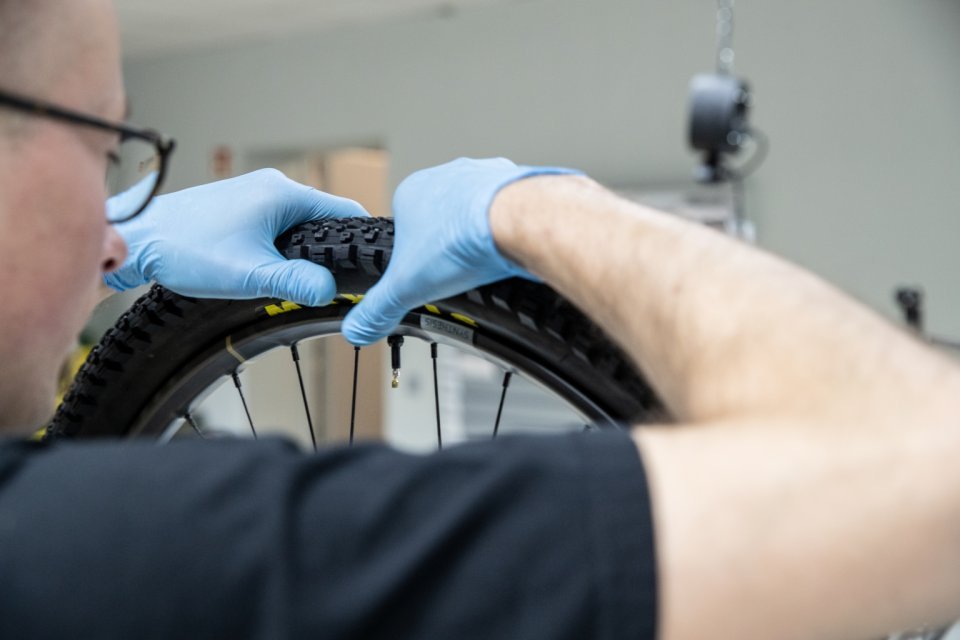
Position the tyre. Note how you want to add the tyre sealant.
If you are going to add the tyre sealant through the valve, first you need to put both beads of the tyre on the rim. Be sure to put both beads in the centre of the rim. This helps with installation because the diameter of the rim is smallest here. Now the tyre needs a lot of air fast to push the beads to the rim flange. A decent pump can usually do this with a few fast pumps. Get the tyre up to 3-4 bar (make sure to check the max air pressure of the rim), and you’ll hear a noticeable pop as the tyre hits the right position. Alternatively, you can use a tyre booster like the one from Schwalbe.
If the tyre still isn't sitting correctly in the flange check the distance between the beads and the rim. By pulling, massaging or using tyre levers you can help the tyre fall into place. Worst case scenario you’ll need to pump the tyres with the compressor at the gas station. How well this works depends on the rim and tyre combination, however with pressurised air it should work.
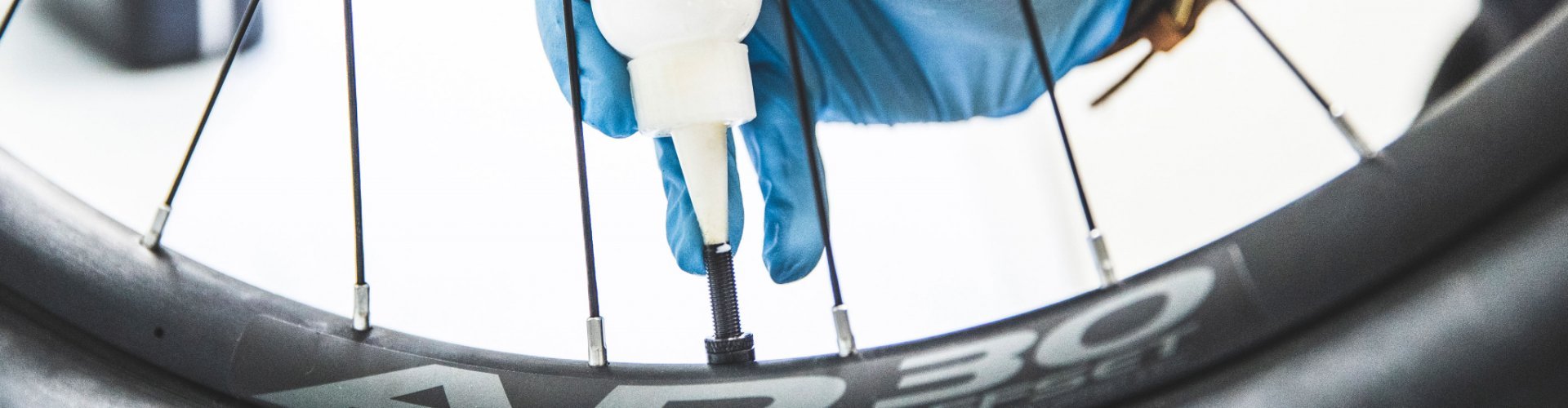
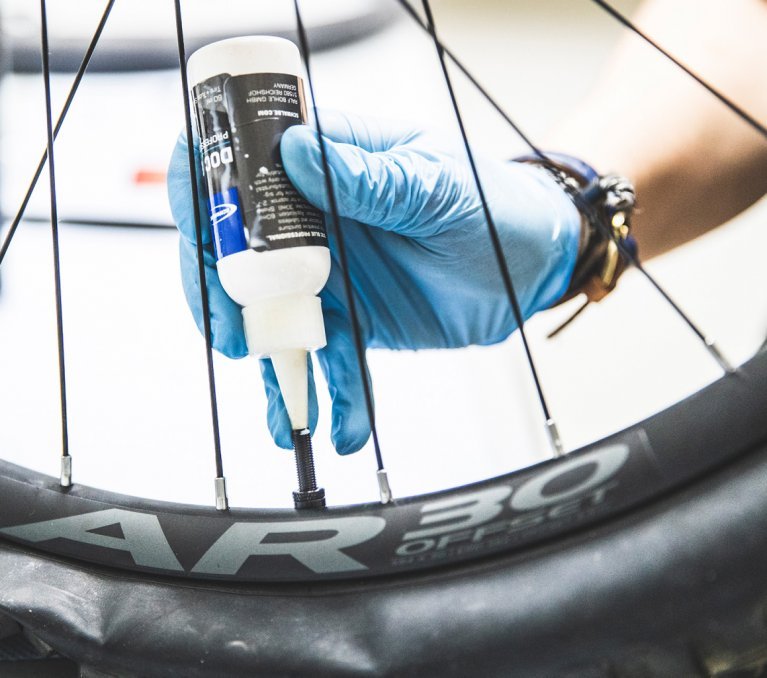
When the beads are set in the rim, let the air out of the tyre through the valve. After, you remove the valve insert - either by hand or with a valve key. Now the valve can be used as a filler for the tyre sealant.
Make sure to shake the sealant well before using it. Filling works best when the valve is set to about 5 o’clock. This way the sealant can flow into the tyre easier.
Most of the time an MTB tyre needs between 60 and 90 ml and Road tyres (make sure you use tubeless ready rims) between 30 and 45 ml. Still make sure to check the needed amounts on the bottle. The amount can vary depending on the manufacturer and tyre. When the sealant is in the tyre, the valve insert can be screwed back in and the tyre pumped back up. To ensure that the sealant is well spread, it is recommended to spin and shake the wheel. It’s best if you take a ride. That’s why you’re doing this right?
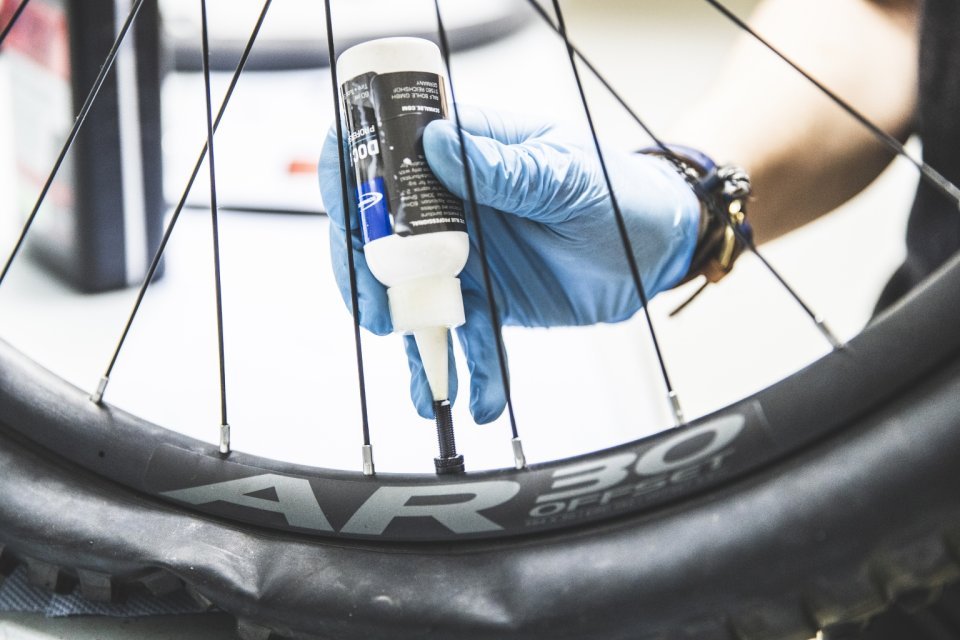
The valve as a filler.
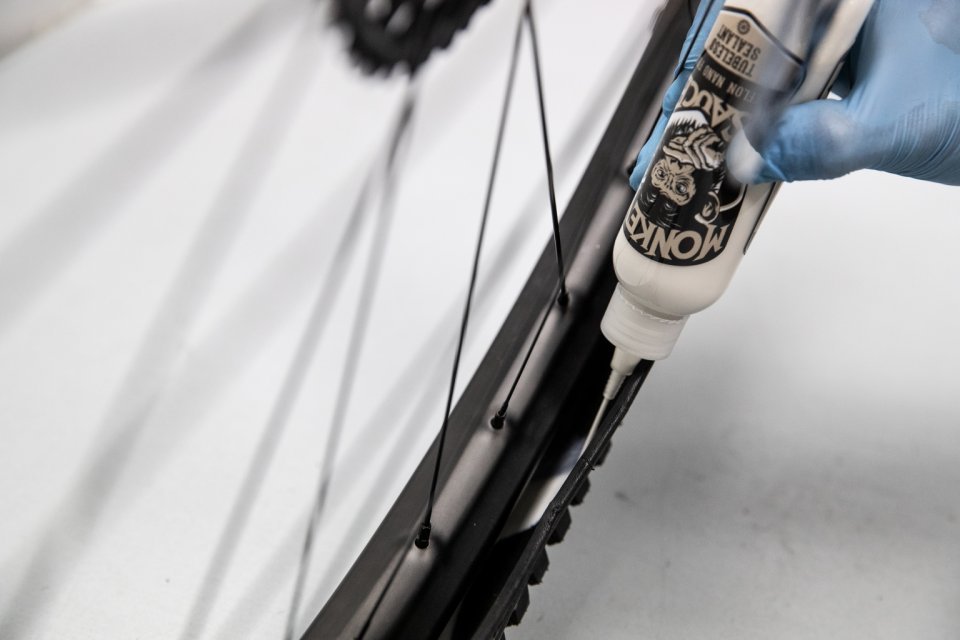
Works just as well: filling the open tyre.
Maybe you don’t want to use the valve to fill the tyre with sealant. That’s why there’s another way. First, one side of the tyre needs to be installed on the rim. The other side needs to be done as well, but 20-30 centimetres need to be left off the rim. This method can be more difficult depending on the rim/tyre combination and it takes a bit of practice not to get sealant everywhere.
It can be a bit tricky getting the last bit of the tyre over the flange when the sealant is in. However, if you turn the opening to 12 o’clock then the sealant stays at the bottom while completing the tyre installation cleanly.
In this case the tyre also needs to be pumped up quickly to get the bead to lock into the flange. To do this, either pump quickly, use a booster or head to the next compressor.
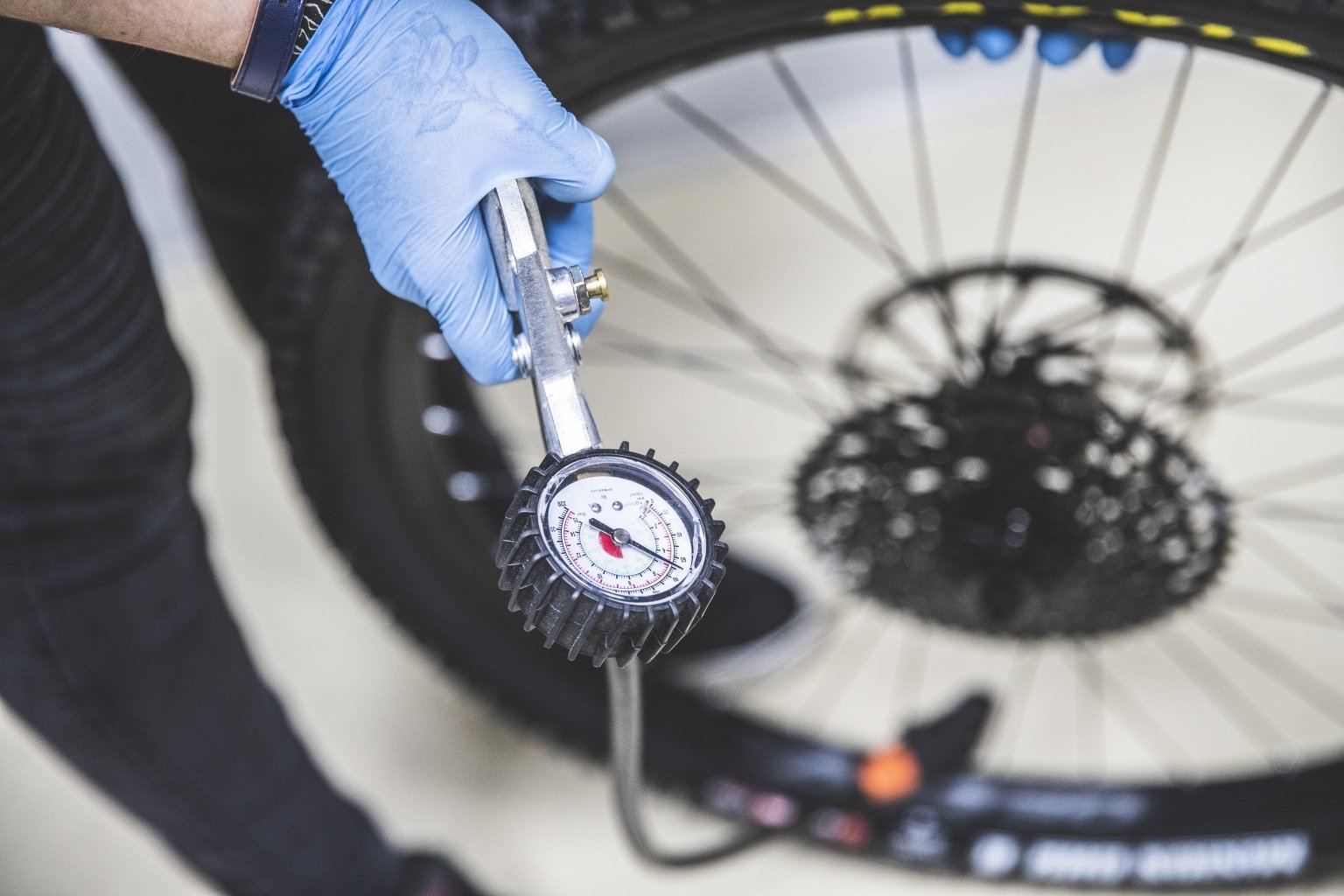
Lots. Of air. Fast.
Depending on the brand, tyre sealant will eventually separate or dry up, which means it should be checked and refilled at regular intervals. How often this needs to be done is determined by the manufacturer.
Bicycle tube or tubeless tyre? Butyl, TPU or latex? Find out which system is best for you and your bike here.
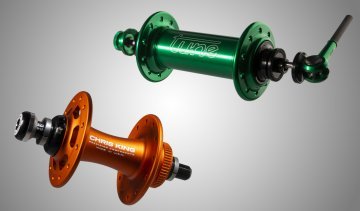
Which thru axle is the right one for your hub? We give you an overview of the common dimensions of hubs and axles on MTB, road bike and gravel bike.

Perhaps you’re familiar with the basics, but do you want to learn more about the physics behind a wheel? Allow us to give you an in-depth explanation.
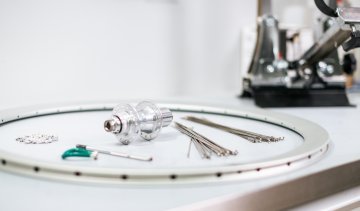
Is it worth building a custom wheelset for a road bike when there are so many good system wheels available? Absolutely! Read on to learn more.
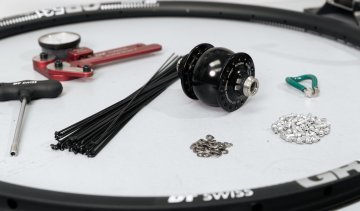
A hub dynamo provides power for lights and charging smartphones and GPS on the bike. We’ll show you what to look out for when building a dynamo wheel.
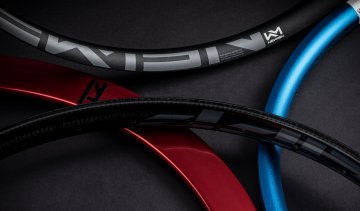
Looking for a new rim for your bike? We’ll show you what to look for when choosing the right rim for your MTB, road bike or gravel bike.
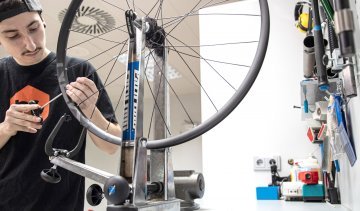
The question: system wheelset or build your own wheel? We explain the basics for picking out rims, spokes and hubs.
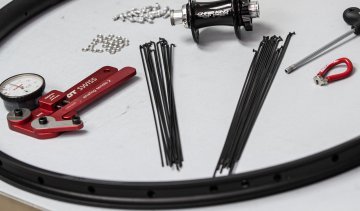
Have you ever thought about building your own MTB wheelset? We’ll give you ten reasons to build your own custom wheelset.
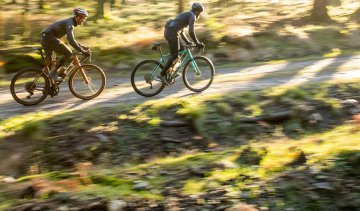
A gravel wheelset has to withstand a lot of hard use. Can't find the right one? Build it yourself! We’ve put together some tips to help you get started.
Send your unused goods back within 100 days after purchase and get your money back!
See more