
Bicycle helmet fitting for kids
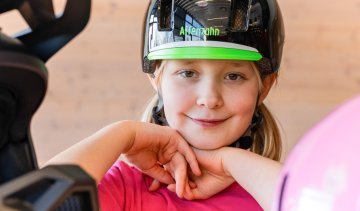
Are your kids not into bike helmets or does the helmet sit all wonky sometimes? Here are some tips to keep the little ones safe.
Lightweight kids’ bikes increase riding fun. We offer a wide selection of high-quality models for everyday use and off-road riding in the right sizes.
Having their own bike is a child’s first step towards independent mobility. It allows them to get to meet-ups and appointments on their own, explore their surroundings and stay physically active. But a kids’ bike is not just a kids’ bike. We’ve put together important tips to help you find the right bike size and choose the right components, so your child can truly enjoy cycling.
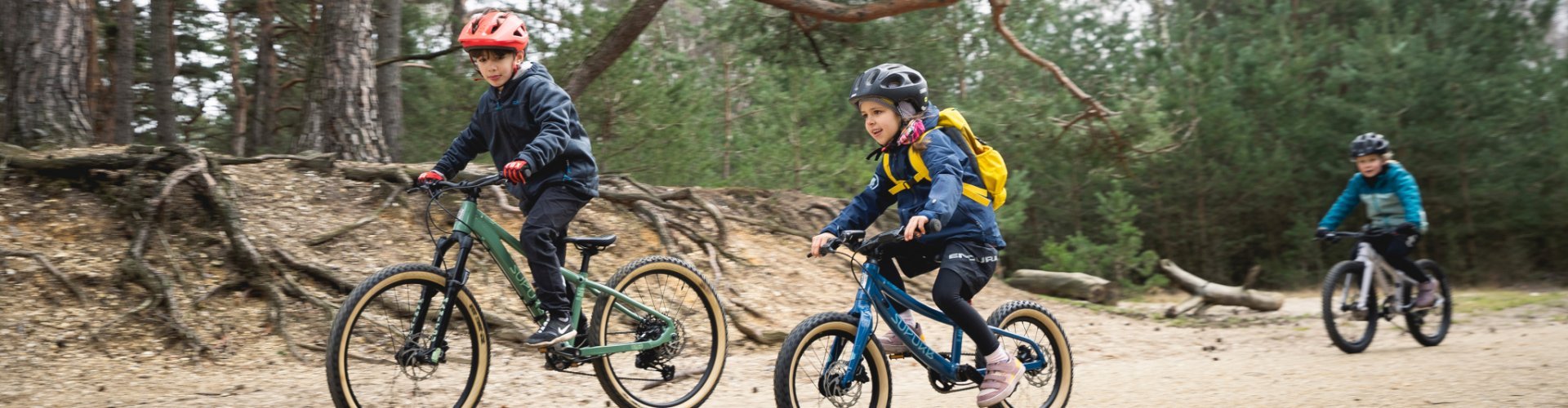
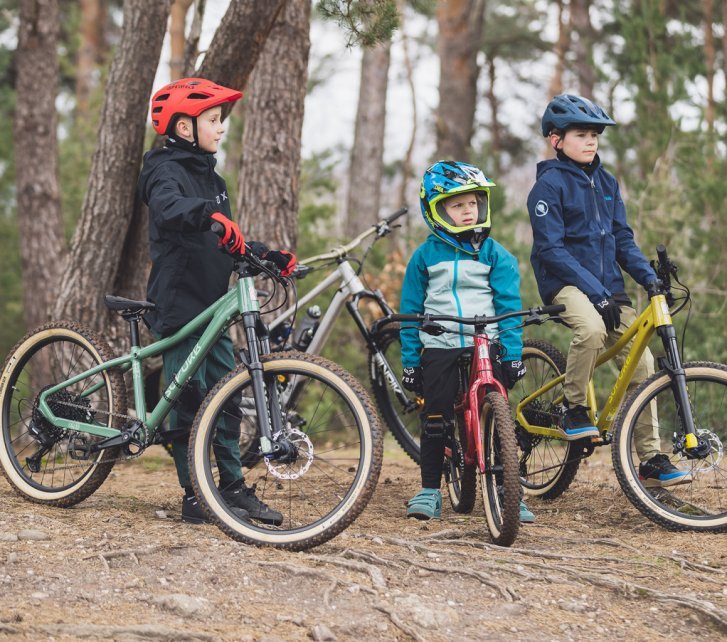
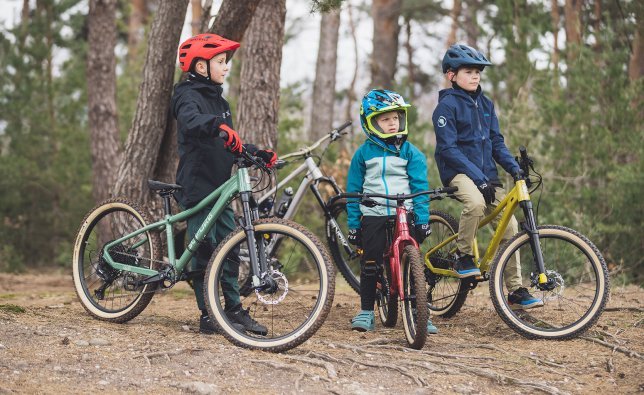
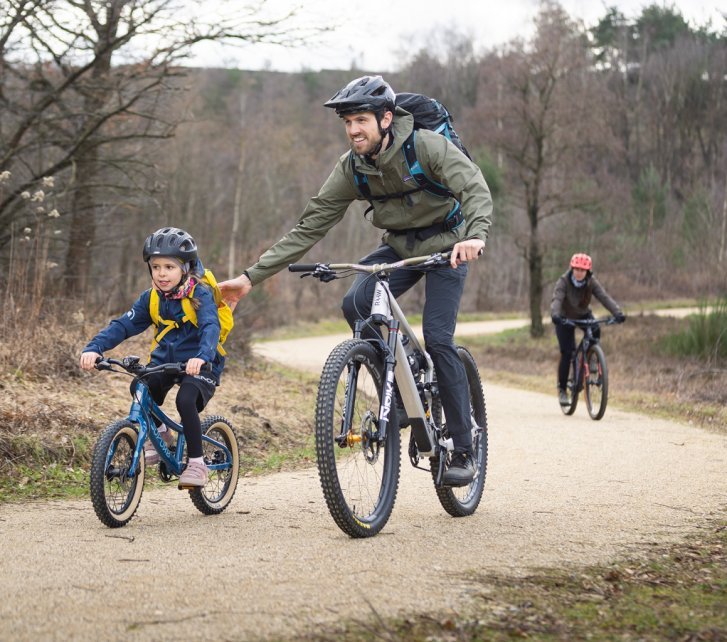
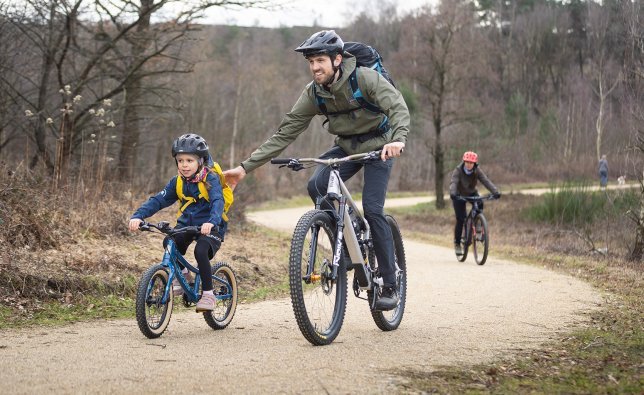
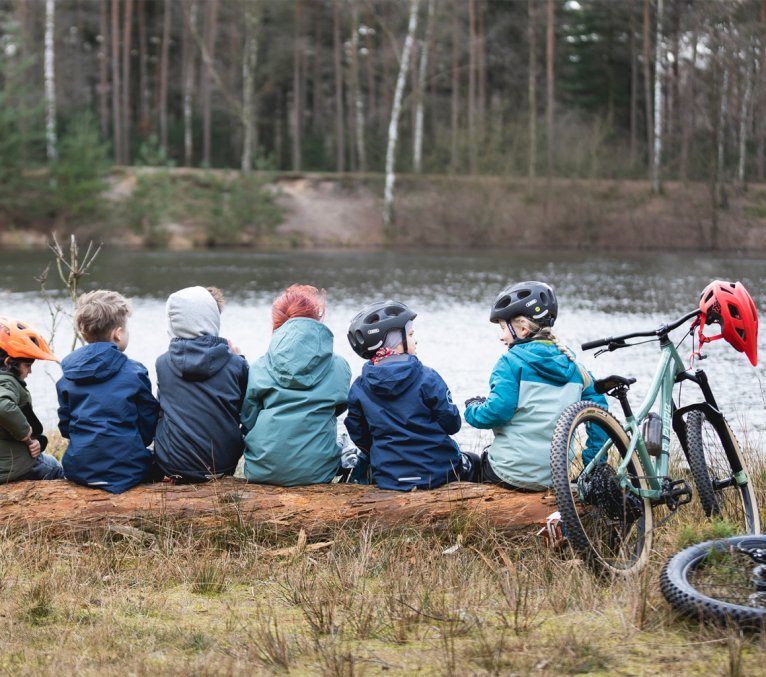
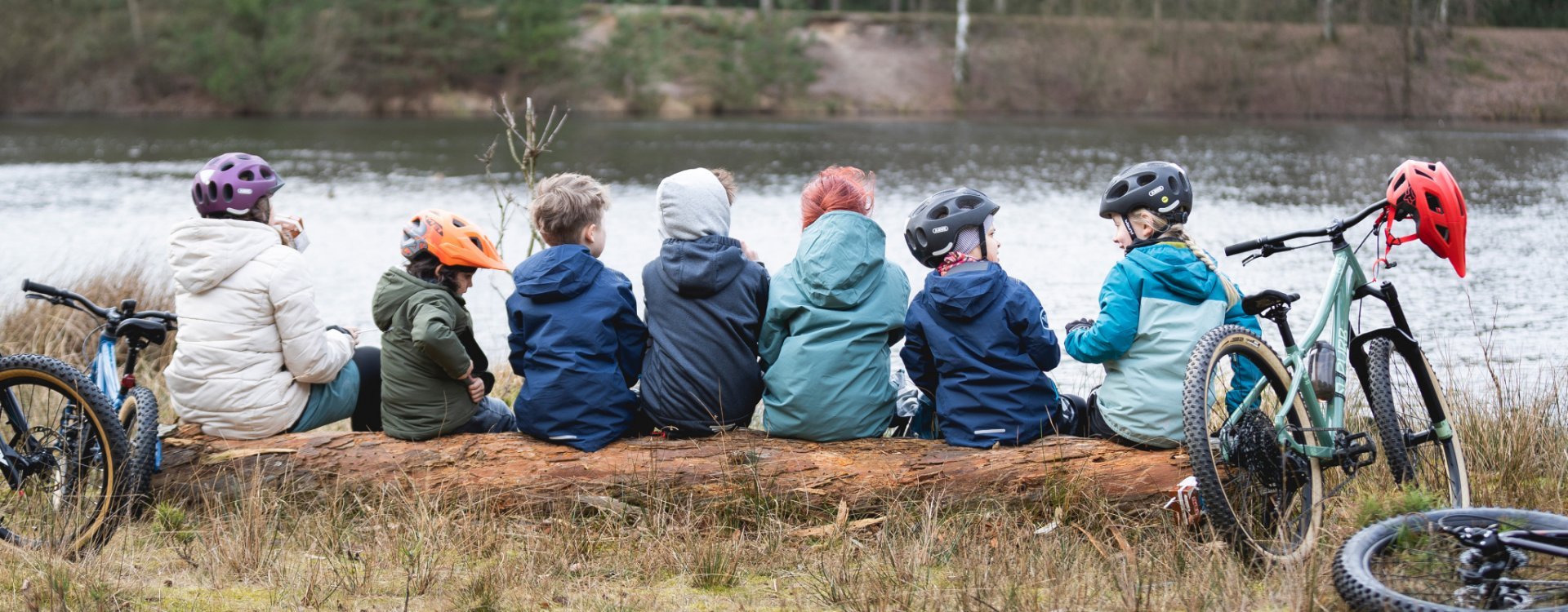
This makes exploring the surroundings with your friends twice as much fun! More challenging & longer tours are possible. © bc GmbH
You might remember it from your own childhood: getting your first bike moving required quite a bit of effort. Just lifting it made you feel like He-Man or Superwoman, because children’s bikes in the 1980s and early 1990s had one thing in common above all else: they were extremely heavy. While adults often paid attention to every single gram when buying a bike, weight played hardly any role for children’s bikes for a long time. The result: a child weighing 20 kilograms was not uncommonly riding a bike that weighed 14 kilograms. Fortunately, those days are over. Bike manufacturers have recognised this issue and have invested heavily in the development of children’s bikes in recent years: components are now designed specifically for kids, and size recommendations are taken seriously. In addition, parents today are more willing to invest more money in their children’s mobility.
The most important factor when buying a children’s bike is choosing the correct size, as a well-fitting bike ensures greater safety and more fun when riding. For children’s bikes, size is usually defined by the wheel size. Important: Don’t rely solely on rough rules of thumb such as “a 20-inch bike fits five-year-olds”! Every child is different. Be sure to compare your child’s height and inseam length with the recommendations provided by the respective bike manufacturer. In our shop, practical filters and the product page descriptions help you with this.
Please note: Do not buy a bike “to grow into”! If the bike is too large, children quickly lose their enjoyment of cycling. They sit too stretched out, have difficulty getting on and off or may even hurt themselves, struggle to control the bike, and can hardly hold the handlebars during large steering movements.
To find the correct bike size, you need two measurements: your child’s height and inseam length (inside leg length). Both measurements should be taken without shoes.
How to measure the inseam length:
With your child’s height and inseam length, you can now easily compare the manufacturer’s recommendations and choose the correct bike size.
Tip 1: If your child has little or no experience riding a bike or a balance bike, initially set the saddle so that both feet can safely touch the ground. This provides confidence. As riding skills improve, you can gradually raise the saddle so that only the tips of the toes touch the ground. Once your child rides confidently, adjust the saddle so that they sit ergonomically on the bike and can pedal comfortably.
Tip 2: If your child often rides standing up, the saddle may be too low. Pedalling while seated then becomes difficult and power transfer is poor. If the knees hit the arms or even the chin while pedalling, the saddle is definitely too low. In this case: raise the saddle or, if necessary, consider a larger bike.
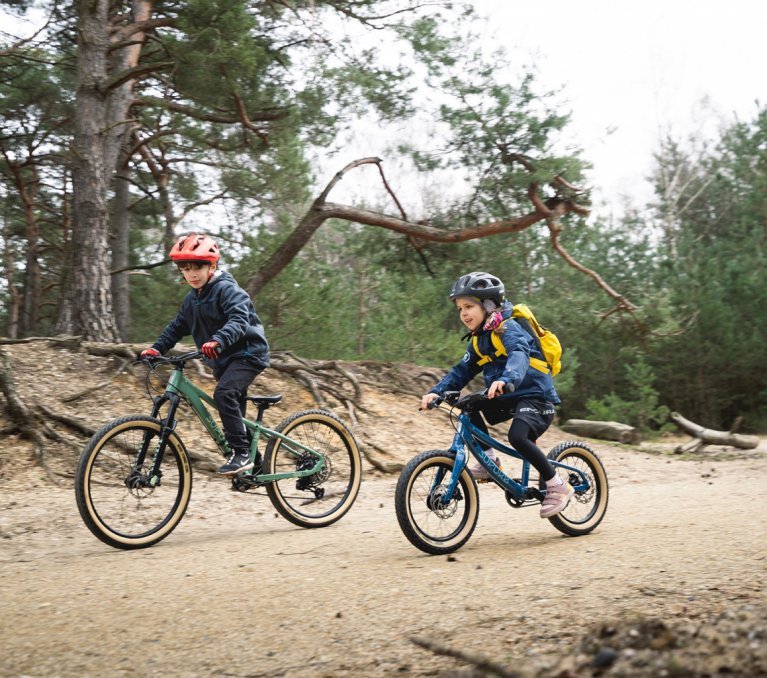
For kids, adjusted geometry makes it easier to get on the bike, which makes riding more fun. © bc GmbH
The advantages of a lightweight children’s bike are obvious: your child needs less strength – especially when starting off or riding uphill. Joints and muscles are put under less strain, fatigue sets in later, and coordination becomes easier. This allows you to tackle more demanding tours and cover more kilometres together. Your child enjoys cycling more and is more willing to take on new challenges. This boosts self-confidence and has a positive effect on both physical and mental development. Win-win-win! And by the way: if you ever have to carry your child’s bike, your arm won’t give up after just a few minutes.
An important step towards lighter children’s bikes was the switch from steel to aluminium frames. This change alone made it possible to save a significant amount of weight. Carbon, on the other hand, hardly plays a role in children’s bikes, as the material is not robust enough to withstand the demands placed on it by children. Or to put it another way: children sometimes drop their bikes on the ground without a second thought.
Children’s bikes in the past were often equipped with everything considered safety-relevant and practical for everyday use (or at least perceived as such): luggage racks, mudguards, permanently installed lighting systems, coaster brakes, kickstands and chain guards were standard and made the bikes heavy. Modern children’s bikes come with fewer components, a cleaner look, and some are even designed as genuine sports bikes. The downside: for everyday use, such as riding to school, important equipment features may sometimes be missing. If needed, you should therefore retrofit certain accessories even on a lightweight sports bike to ensure that it complies with road traffic regulations.
Because as important as low weight is, it’s not everything. In everyday life, practicality also plays a crucial role. If your child gets constantly wet on the way to school because there are no mudguards, they will use the bike less — and you’ll be washing dirty clothes all the time. Speaking of dirty clothes: some bikes from Early Rider come standard with a belt drive. It is extremely clean and prevents trouser legs from getting dirty with chain lubricant — a real advantage for everyday use.
Accessories that make the bike suited for daily use, such as fenders or lights, can be attached in no time at all. © bc GmbH
The most important thing is that your child can operate the bike easily. Too much technology often overwhelms very young riders. As children grow older, taller, and heavier, more advanced components can make sense.
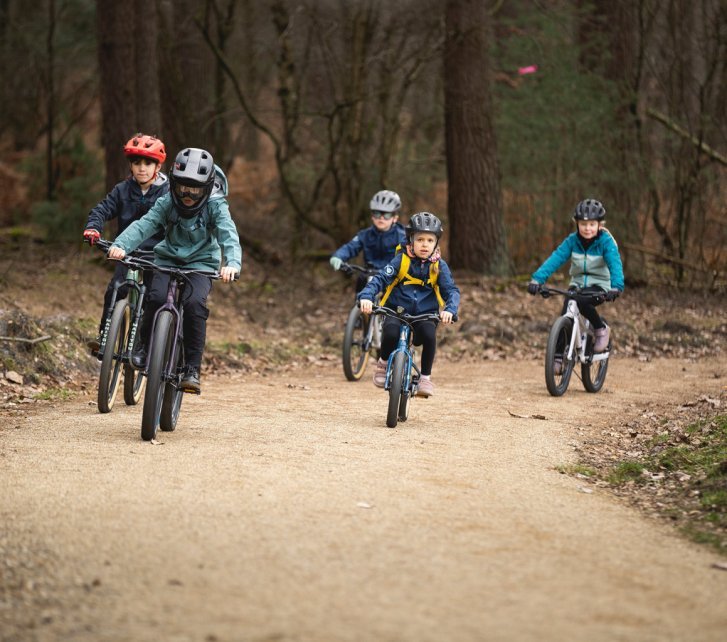
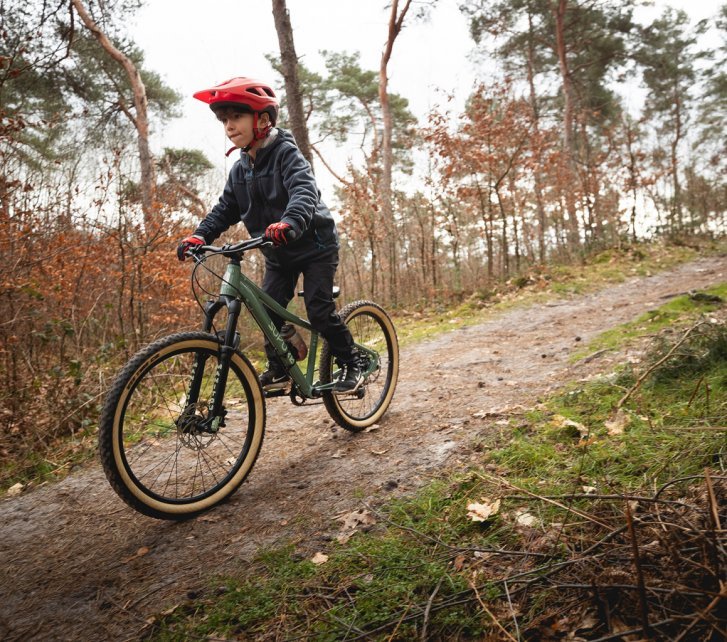
The right equipment depends on the purpose. The bike has to suit your kid’s skill level. © bc GmbH
Children’s bikes up to 16 inches usually do not have a drivetrain, with only a few exceptions, as operating gears could overwhelm young riders. Gears are typically introduced on larger bikes, and learning how to use them correctly takes a bit of practice. Make sure the shifters are designed to be child-friendly and easy to operate.
Coaster brakes are now rarely found on children’s bikes. This is because your child will eventually switch to a bike with hand brakes, coaster brake hubs are heavier than hand brake systems, and they require higher operating forces. High-quality children’s bikes use child-specific brake levers that are specially designed for smaller hands with less strength. On children’s bikes from SUPURB, for example, the reach of the brake levers can be adjusted. Whether a children’s bike should have rim brakes or disc brakes depends on its primary use. If the bike is mainly used in the city or on flat terrain, lightweight rim brakes may be the better choice. The more often the bike is used in hilly terrain or even in bike parks – and the bigger or heavier the child – the more advisable disc brakes become.
Tip: If a children’s bike is too large, the child not only feels unsafe while riding, but may also struggle to reach the brake levers or use levers that are not designed for smaller hands. Always make sure to choose the correct frame size.
Suspension forks on children’s bikes look cool, but they are not always useful for younger kids. Many children are so light that suspension forks or rear shocks cannot be properly adjusted or are not activated noticeably at all. A rigid fork is lighter, requires no maintenance and copes better with rough handling or crashes. From a body weight of around 35 kilograms upwards, a high-quality suspension fork with sensitive response can make sense. It is also important to consider your child’s technical riding skills. If your child is already riding rooty trails like the grown-ups, they should also have the appropriate equipment – and that includes a suspension fork. If you mainly ride on paved roads, a rigid fork may again be the more sensible choice for the reasons mentioned above – possibly combined with wide tyres for increased traction, safety and comfort.
Tip: When buying, look for suspension components that can be individually adjusted. Your child will grow and gain weight, so you should regularly check and fine-tune the suspension. This is much easier with air suspension components.
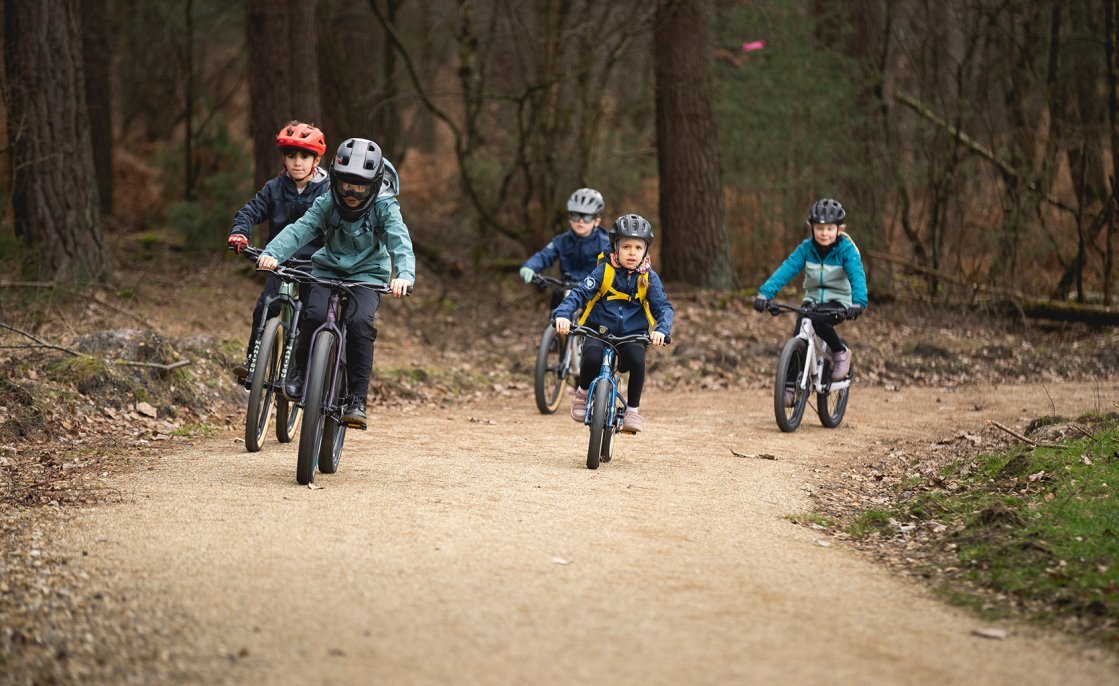
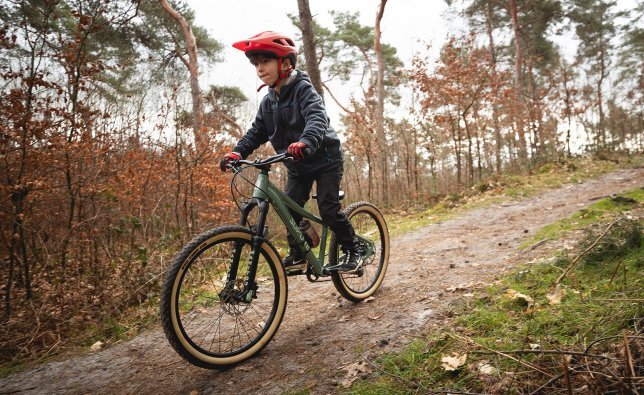
Ride quality like an MTB for grown-ups. This is possible thanks to geometry tailored to kids as well as high-quality components. © bc GmbH
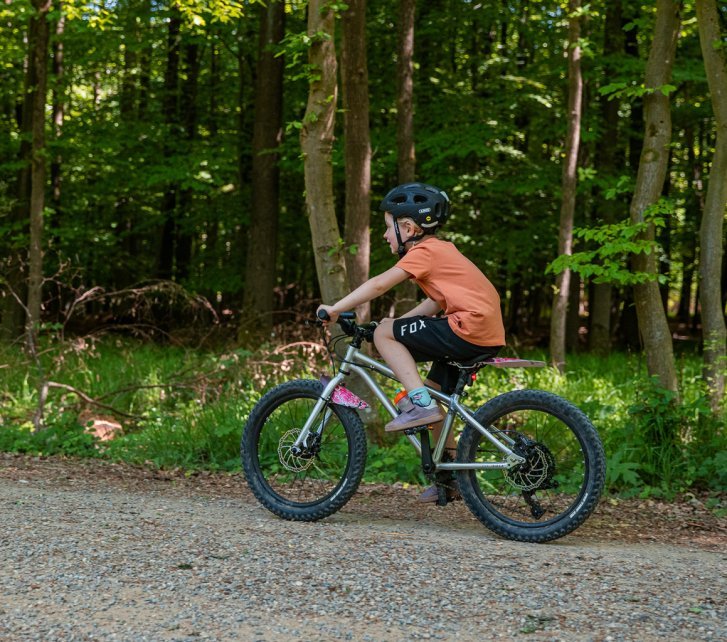
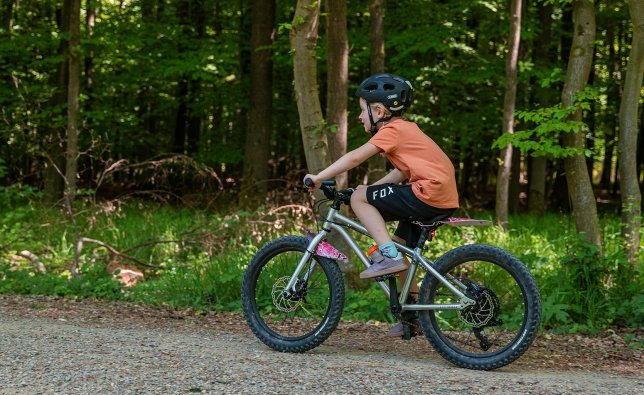
If you’re looking for more comfort off-road even on smaller bikes, models with wide tyres, such as our Early-Rider-Bikes, are a great choice. Thanks to their larger volume, these tyres can be ridden at lower air pressure, which already provides a noticeable amount of damping. This also increases safety – and looks cool, too.
If you’re wondering whether investing in a high-quality kids’ bike is worth it, the answer is clear: it absolutely is. Your child will enjoy riding more, and once the bike becomes too small, you can usually resell it at a good price. And if you think about how much money you spend every month on streaming subscriptions, investing a few euros per month in your child’s riding enjoyment is hard to beat.
If your child is exactly between two sizes, choose the larger one! However, make sure that you don’t buy the bike too big. Measure your child’s height and inseam length and compare the values with the size recommendations of the bike manufacturers.
Your child stands barefoot with their back against a wall and places a book between their legs. The book is then pulled up until the pressure feels similar to sitting on the saddle. Now measure the distance from the top edge of the horizontal (!) book down to the floor. This is the inseam length.
In our shop, you’ll find kids’ bikes starting at 14 inches, which are suitable from an inseam length of 37 centimetres. Bikes of this size are often suitable for children between three and five years old.
You should always buy a bike that fits properly. If you buy a kids’ bike “to grow into”, your child may feel unsafe on it or hurt themselves when getting off. This can quickly take the fun out of cycling. Always follow the manufacturers’ recommendations for height and inseam length.
We clearly advise against training wheels. With training wheels, children often develop incorrect movement patterns when cornering. Simply start with a balance bike! This helps your child practise balance and prepares them perfectly for the transition to a bicycle.
A very clear yes! High-quality kids’ bikes are lighter, better built and equipped with child-friendly, ergonomic components. This ensures greater safety and more fun when riding. And as a bonus, the resale value of a kids’ bike is also higher.
Are your kids not into bike helmets or does the helmet sit all wonky sometimes? Here are some tips to keep the little ones safe.
Does a kids' bike need lighting? Is a chain guard mandatory? And is there a helmet requirement for kids? We've got you and your kid covered.
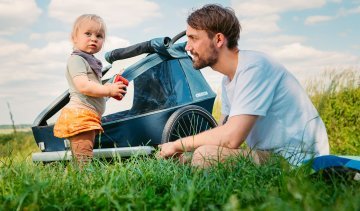
Are you on the hunt for a high-quality and safe bike trailer for your children? We'll show you what to look for when buying kids trailers.
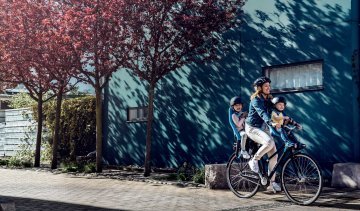
A bike seat for kids is a great transport solution for everyday journeys. We'll show you what to look out for when making your choice.
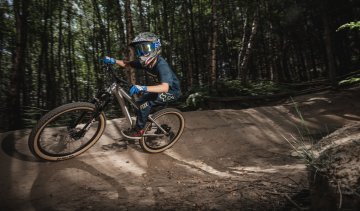
Want to go mountain biking with your kids? We’ll tell you what to keep in mind when buying a helmet & MTB protectors for kids.
Send your unused goods back within 100 days after purchase and get your money back!
See more