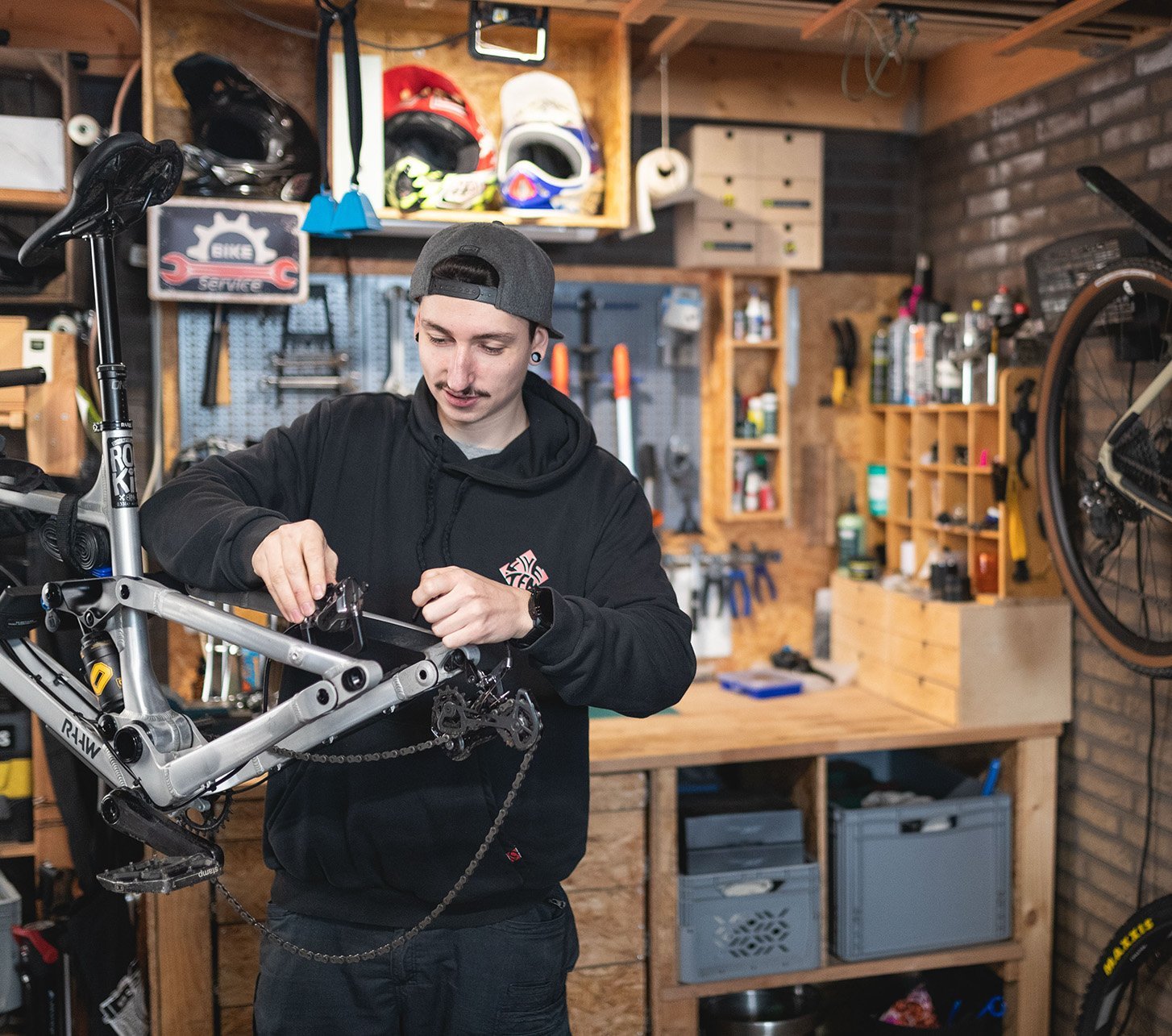
Before you start: General tips for every inspection
- Always begin your inspection with a clean bike so that damage and wear are easy to spot.
- Cleaning & visual check: Inspect the frame, tires, cables/hoses, and components for cracks, play, or other damage.
- Check the brakes: Examine the pads, rotors/rims, and overall brake feel.
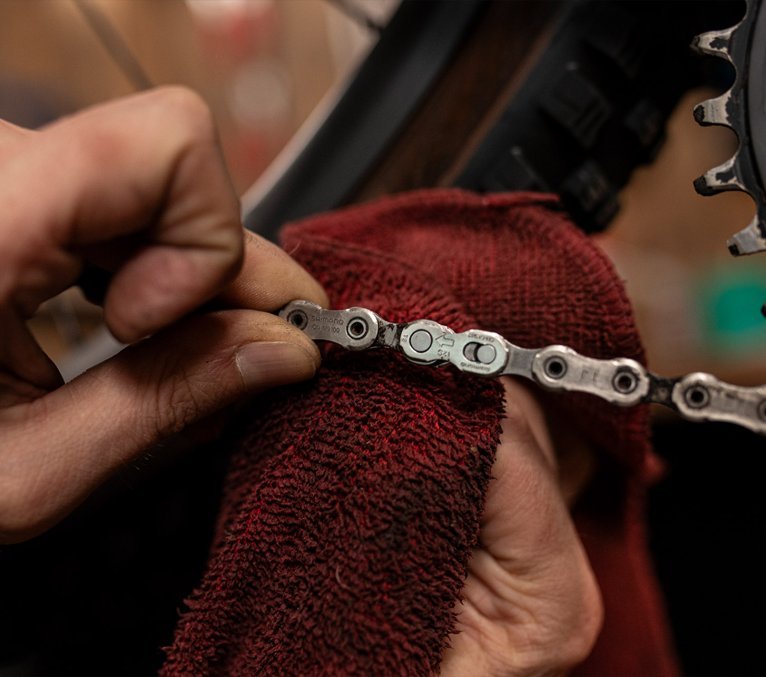
- Maintain the drivetrain: Check the chain, clean it, and re-lubricate.
- Check shifting & setup: Run through all gears and fine-tune the basics if needed.
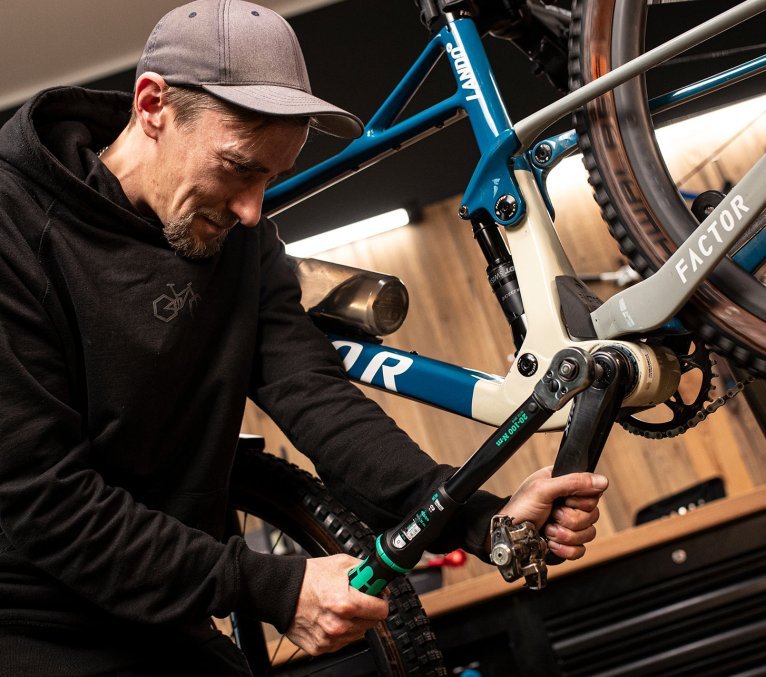
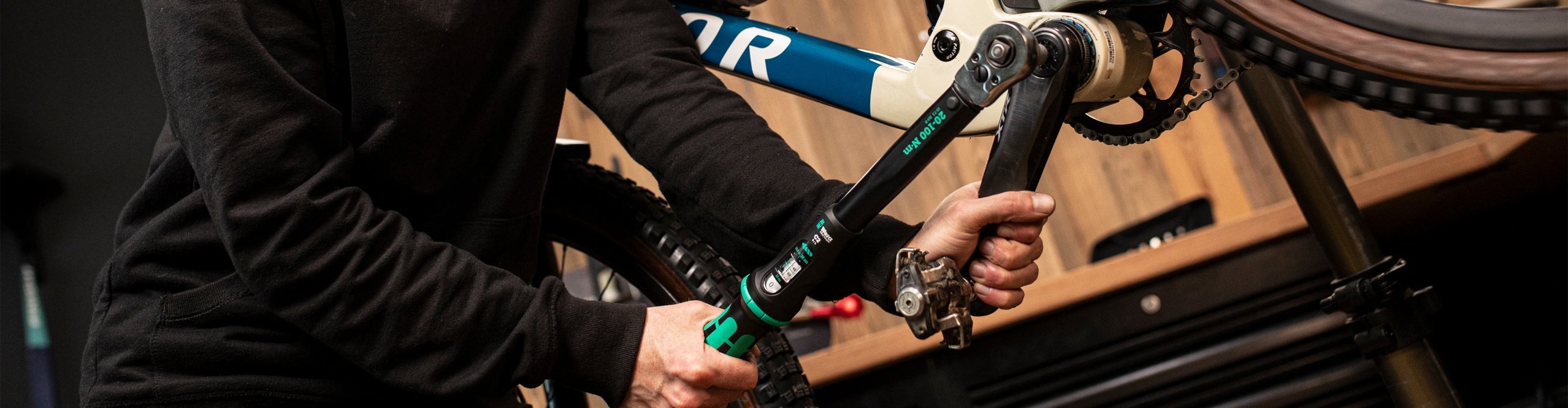
- Final step: Set tire pressure, check all bolts with a torque wrench, and do a short test ride.
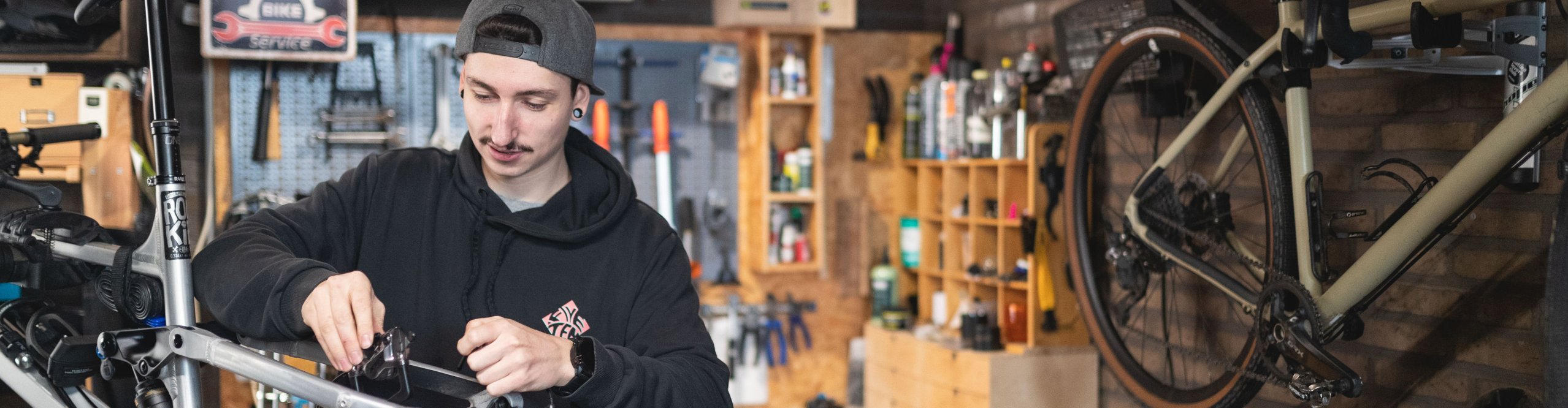
Tip: A bike repair stand makes every step easier and helps you work cleanly and comfortably.
CLEANING AND MAINTENANCE
DEGREASER AND CLEANERS
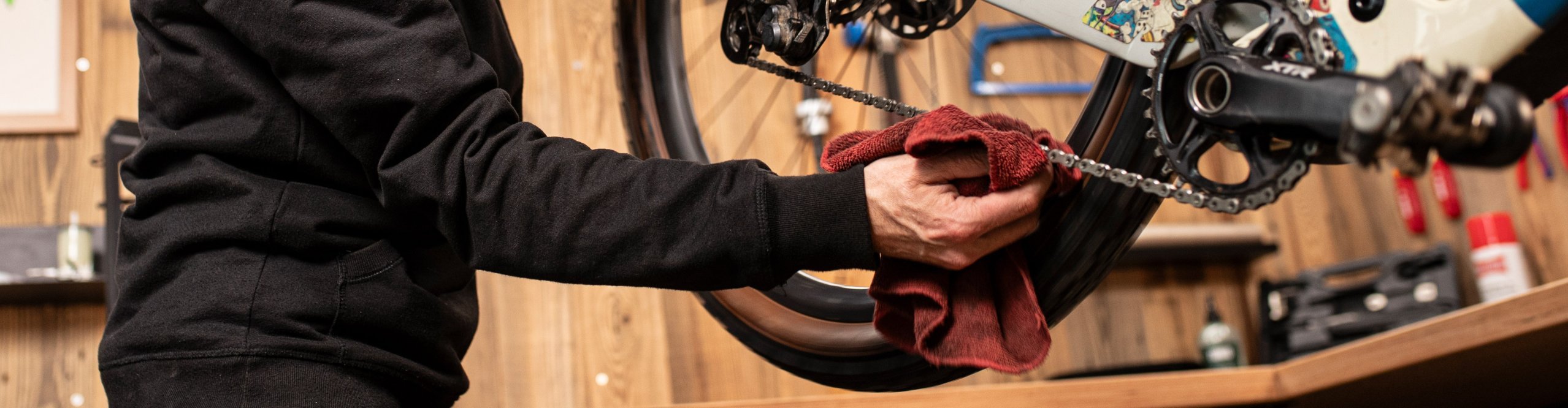
A thorough clean is the first step of any bike inspection. Dirt, dust, and old lubricants don’t just hide potential damage—they also speed up wear on the drivetrain, bearings, and seals. If you clean and maintain your bike regularly and with purpose, you’ll ensure smooth performance, extend the lifespan of your components, and enjoy a noticeably better ride feel.
Workshop must-have:
A dedicated bike cleaner in a spray bottle removes dirt effectively while being gentle on materials—quickly, precisely, and without attacking sensitive parts. With the Muc-Off Bike Cleaner, you can’t go wrong.
THE BEST CLEANING PRODUCTS FOR BIKES
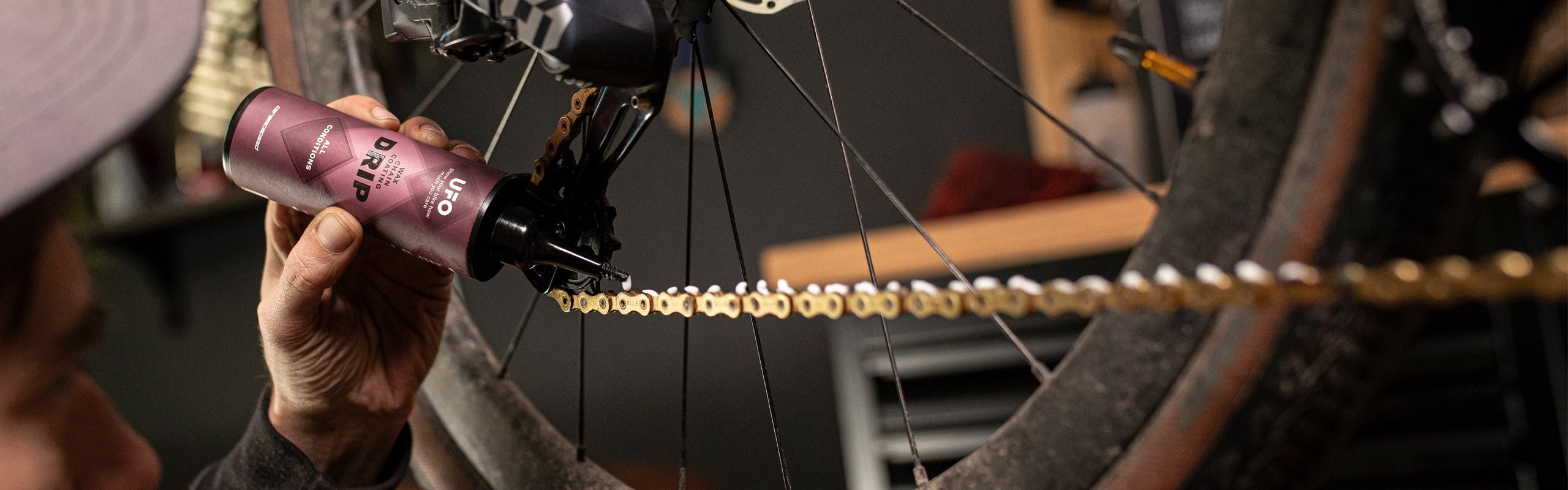
BEARING GREASE, CHAIN OIL, AND CHAIN WAX
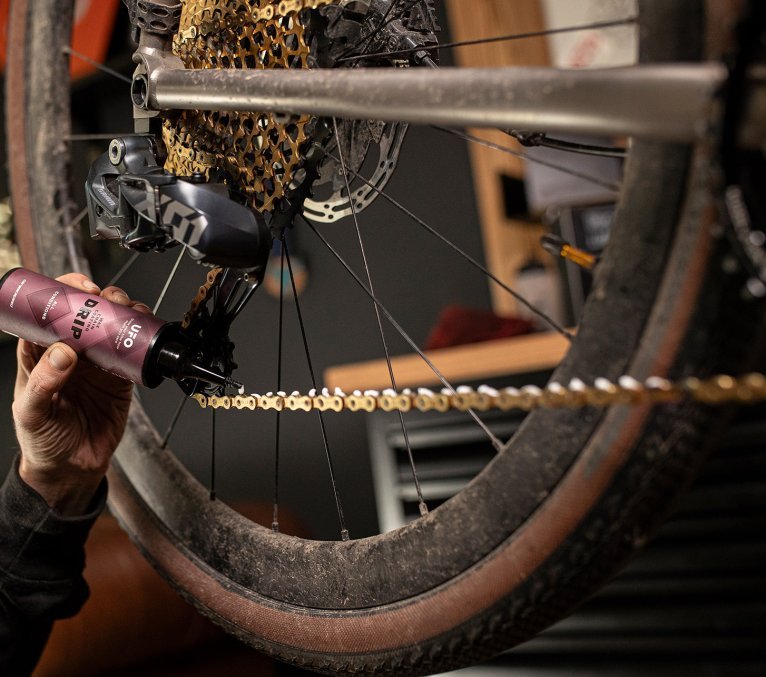
If your bike chain squeaks, it's literally crying out for oil or wax. In this state, the wear is enormous, the power loss is maximal, and the drivetrain runs very rough, loud, and the shifting becomes inaccurate. You shouldn't let it get to this point - ideally, the chain is always clean and well lubricated. This little effort will thank you with a much longer lifespan. It saves you an early trip to the workshop and, of course, money.
Tools & setup: What you really need for your inspection
You don’t need a fully equipped professional workshop for a thorough bike inspection—but the right tools determine how cleanly, safely, and stress-free you can work. Many checks and maintenance steps can be done yourself with a solid basic kit. When things get more specialized or safety-critical, the rule is: either invest in the proper professional tools—or leave the job to a workshop. That way, you’ll end up with a setup that matches your skill level.
Workshop must-have:
A reliable floor pump with a pressure gauge is a staple for every inspection. Setting the correct tire pressure is quick and essential for safety, grip, and riding comfort. The SKS Rennkompressor is always a great choice.
BASIC EQUIPMENT FOR YOUR WORKSHOP
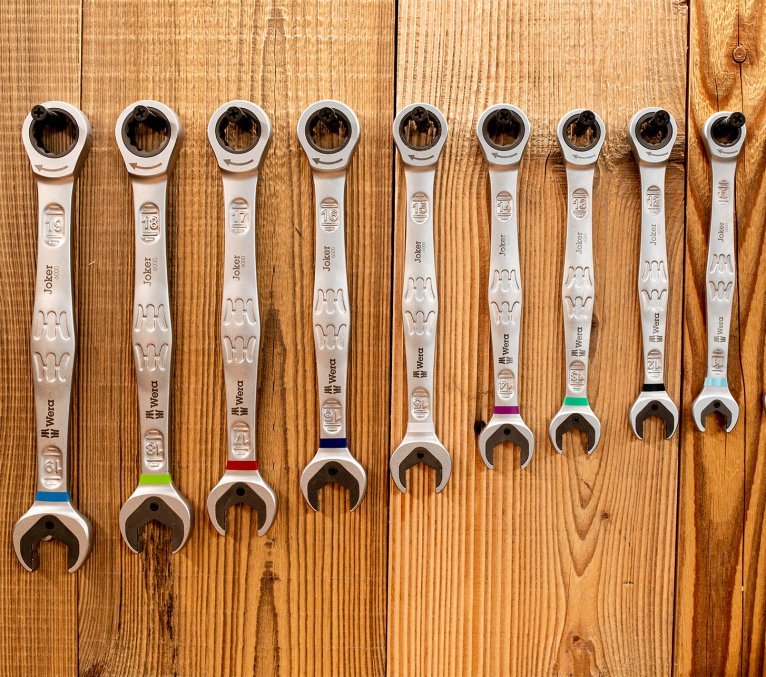
With a basic tool kit, you can cover all the fundamental inspection tasks: visual checks, cleaning, lubrication, and simple checks on tires, drivetrain, and brakes. This setup is ideal if you service your bike regularly yourself and want to keep an eye on common wear points. More complex work—such as servicing hydraulic systems or working on bearings—is deliberately left out; in these cases, a professional workshop is the safer choice.
SPECIAL TOOLS FOR EXPERIENCED MECHANICS
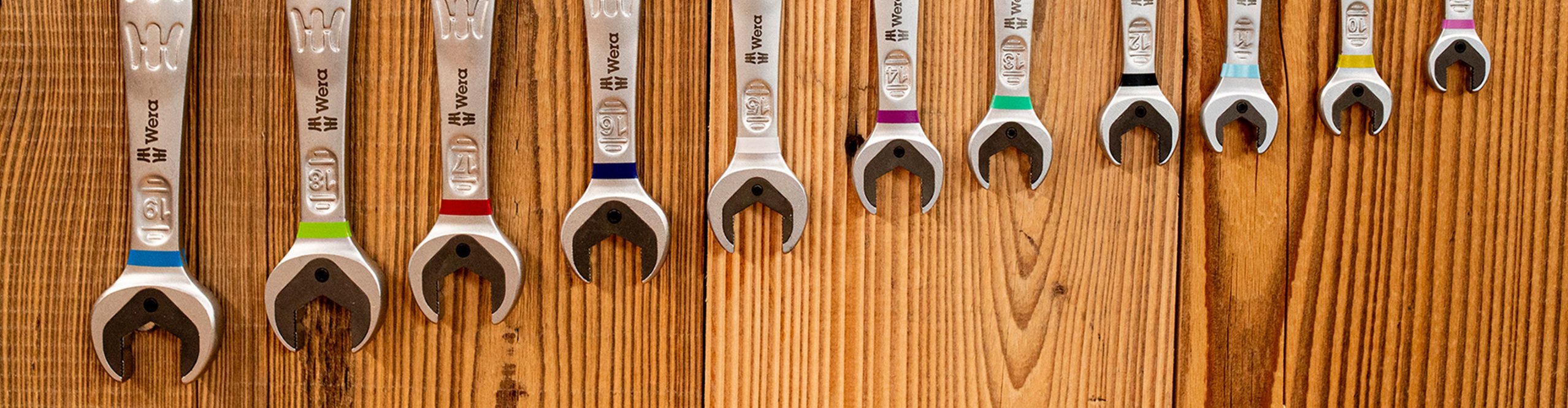
The pro kit is aimed at experienced mechanics who want to dive deeper into the technical side. Torque wrenches, measuring tools, and specialist tools ensure precision and safety for more demanding jobs. At the same time, having a tool doesn’t automatically mean you have to do the work yourself. If you’re unsure—or if safety-critical systems are involved—professional support is the best choice.
WEAR PARTS
Replacing brake pads: Keeping safety in hand
Brake pads are among the most important safety-relevant wear parts on your bike. With every stop, they wear down - often gradually and without you noticing. Especially at the start of the season, you should check how much pad material is left and whether the braking performance has changed.
Typical signs of worn brake pads include reduced braking power, squealing or rubbing noises, and a spongy bite point. Visibly thin pads or uneven wear are also clear indicators that it’s time for a replacement. If you wait too long, you risk not only longer stopping distances but also damage to the brake rotors or rims.
It’s important that your brake pads are always compatible with your brake system and rotor to ensure optimal braking performance and proper material compatibility.
CHAIN, CASSETTE, AND CHAINRINGS
Without a functioning drivetrain, no ride is fun. A tool that incredibly helps you keep an eye on the condition of your drivetrain is a chain wear tool. A seemingly simple tool, with great impact, it allows you to determine relatively accurately when it's time to change the chain. If you need to change the chain, also take a look at the cassette and the chainrings. A clear indicator of significant wear are pointed teeth that no longer have a "roof" - also called shark teeth.