Gravity

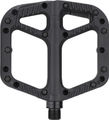
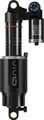
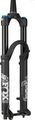
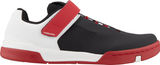
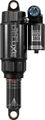
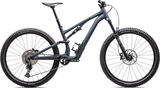
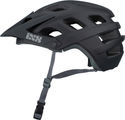
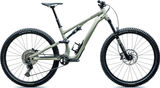
FAQ: What does Gravity mean?
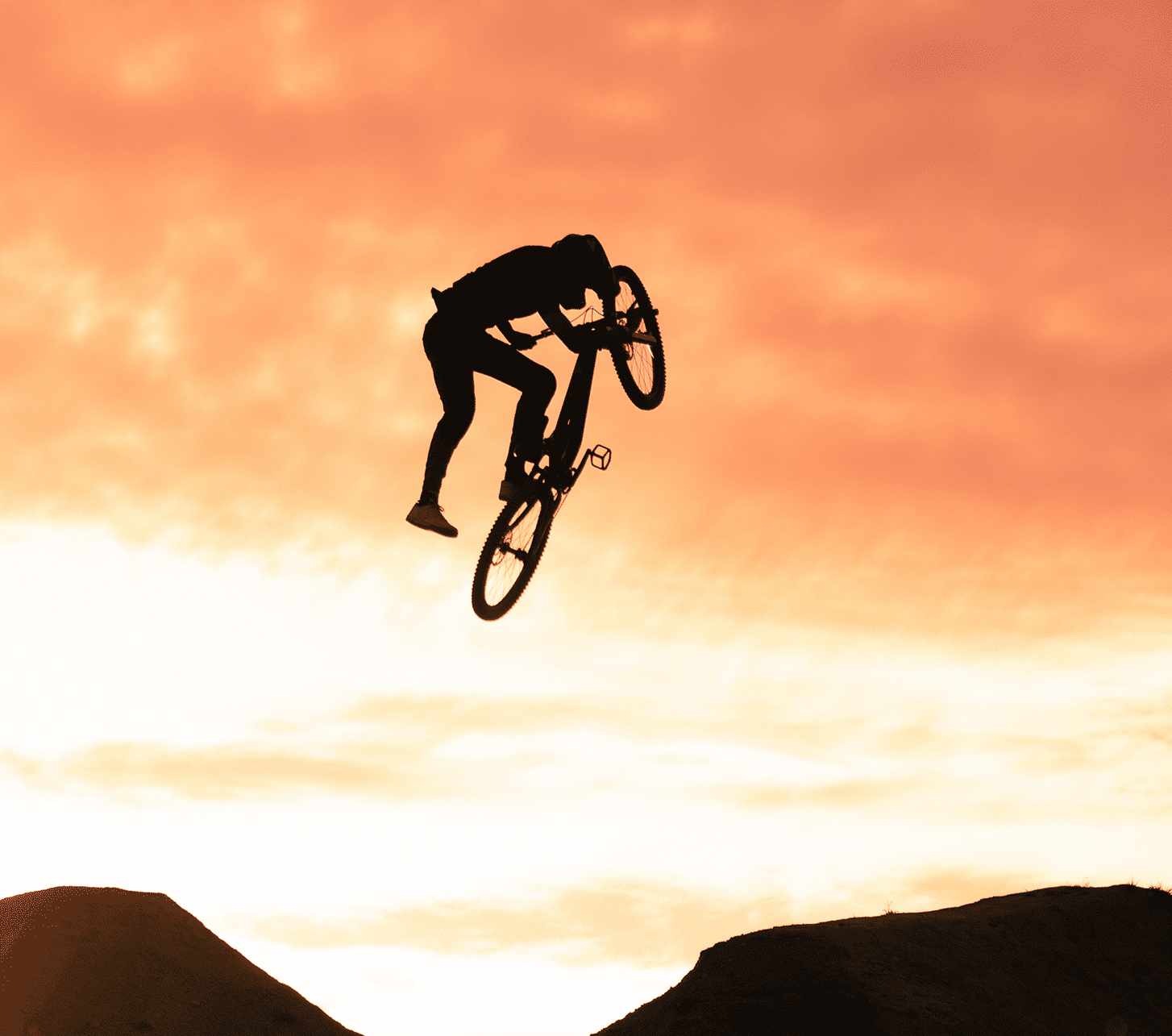
Gravity-MTB encompasses all MTB disciplines where the force gravity plays a central role. Starting with Downhill-MTB, the crowd-friendly premier discipline of refined downhill racing, known through riders like Nina Hoffmann, the Atherton family, Sam Hill, Aaron Gwin, or Greg Minaar, to the more creative variations like Freeride or Slopestyle, it's mostly about a fast or fun descent.
For gravity fans, the uphill journey is preferably handled by the lift in a bike park, and if necessary by muscle power or the pedal assist of your e-MTB.
1. What is a Gravity bike?
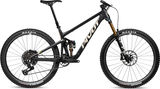
A Gravity bike is one where downhill performance is more important than its ability to score in the uphill. Gravity bikes place the highest demands on all components, especially on the fork and shock absorbers, the stability of the frame and wheels, and the performance of the brakes.
E-MTB are also gaining importance in Gravity sports: With the built-in lift of your e-drive, you get back to the trailhead faster and make yourself independent of the lift systems at bike parks. This way, you can do more descents and accumulate more vertical meters in less time - and that's what Gravity is all about, right?
2. What parts do I need for the bike park?
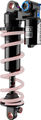
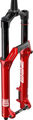
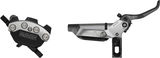
The good news: With a park bike, you rarely have to ride uphill yourself: The lift takes care of that for you. But that makes it all the more important to have indestructible components ready: A stiff suspension fork with 36 or more millimetres thick stanchions, coil shocks, downhill brakes for that extra bite, and tyres with coarse knobs for plenty of grip and a thick casing.
Real park rats, of course, ride their bikes tubeless and require the seat mostly so they don't have to stand in line at the lift.
3. What is the difference between Downhill & Enduro?
Downhill is about the namesake downhill racing with mountain bikes, which are specialized in terms of their equipment and geometry for this purpose: massive double-crown forks with 200 mm of travel or more, slack head angles, powerful braking systems, and a frame geometry that doesn't foresee classic seated pedaling, characterize a downhill MTB. In downhill races, racers compete against the clock over the roughest, steepest, and fastest courses down the mountain. Classic Enduro racing, on the other hand, may mostly count the times of the downhill stages, but participants often have to pedal up the mountain themselves in between. Therefore, Enduro MTBs are usually not as heavy as downhill bikes, they have shorter travel, steeper head angles, and a frame geometry that basically makes pedaling in the saddle possible. Likewise, Enduro bikes today generally have a 12-speed drive train, providing short gears for steep climbs, while downhill MTBs frequently have fewer, mainly long gears, or even no gears at all, depending on preference.
A rather new variation of enduro racing are the E-MTB races like the UCI E-Enduro World Cup, which besides classic enduro stages also include so-called Power Stages, characterized by sometimes steep climbs in technical terrain. Such climbing segments beyond what is doable with classic MTBs are a special field for E-MTB, connoisseurs also speak of the “Uphill Flow”.
4. How much travel do I need for Slope style?
In slope style, the most spectacular and airtime-rich of all MTB disciplines, known from international events like Crankworx, Red Bull Joyride in Whistler or the Swatch Nines at Greenhill bike park in Schmallenberg in the Sauerland, you're not racing against time – what counts here is purely the style. Specially designed courses with large drops and jumps, featuring smooth surfaces designed for fast rolling – hence a slope style bike does well with shorter travel between 80 and 130 mm on the fork. Not infrequently, even hardtails are ridden in slope style.
The Red Bull Rampage, the most extreme MTB event in the world, however, is not a slope style event but falls under the freeride category: On the terrain in the Mojave Desert in Utah, riders build their own audacious lines with gigantic jumps and drops. The always controversial jury scoring takes place in the categories Line Choice, Technique, Style, and Flow.
5. What protectors are mandatory in the bike park?
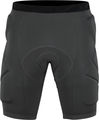
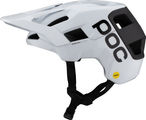
Hardly any bike park allows riding without a full-face helmet with chin part, known in MTB jargon as a full-face helmet. Showing up with a half-shell in the park risks a stern lecture from the lift personnel or even getting kicked out – and rightly so: Too often there are serious injuries resulting from face plants during crashes. But also back protectors or even a protector jacket or shirt, naturally knee protectors, and a neck brace, to avoid injuries to the cervical spine during a fall, are part of the sensible equipment for the bike park. This naturally applies not only to adults but also to children. A wide selection of children's protectors and kids' MTB helmets can be found in the shop at bike components.
6. What tyres are suitable for downhill?
When it comes to downhill tyres, besides getting the right size for your wheels, three things matter: The right tire tread — chunky and suitable for specific conditions — from rocky to dry to wet, the right rubber compound (often also called “Compound”) for maximum grip, and a durable carcass: This tire skeleton not only protects the rim from punches and prevents cracks and holes, it also gives a tire its shape and stability: Especially because of the high forces during downhill, a tire has to withstand a lot. If you want your tyres to last a long time, choose them sturdy enough for your main use.
7. How do I set up my suspension fork for gravity biking?
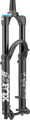
If you’re into gravity riding, you need a suspension fork with enough travel. Except for dirt jump and slope style, it should be at least 160 mm. Downhill bikes typically have 200 mm or more of travel and especially thick stanchions to handle rough impacts well. If you're using an air suspension fork, you need to determine the right air pressure before fine-tuning compression and rebound. This depends on the total weight of the rider, gear, and bike, as well as your personal preferences. As with tyres, bottoming out should be avoided. Run your fork with as much pressure as necessary – or as little as possible. 25% Sag is a rough standard value.
8. Are there special shoes for gravity / flat pedals?
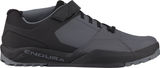
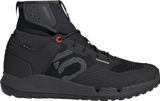
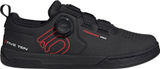
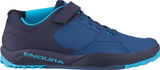
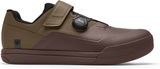
Gravity shoes for platform pedals are characterized by their grippy sole made of special rubber compounds with a large contact area to the pedal, as well as reinforcements in the toe, heel, and ankle areas. Waterproofing and abrasion-resistant upper material provide extra comfort when things get rough. A perfect gravity shoe is comfortable on your foot due to its fit, offers plenty of support and stability as well as good footing, both on the pedal and on the trail. Many models come with a lace cover, a Velcro fastener, or even BOA closures to prevent laces from getting caught.
9. What brands are leading in the gravity sector?
At bc, you get everything that pumps up adrenaline production: Gravity bikes from Commencal or downhillers from the Austrian boutique brand Prime or the Canadian bikes from Forbidden, legendary brands like Santa Cruz or Specialized, MTB and E-MTB from Cannondale, Yeti-Cycles, Scott, or Marin offer plenty of choices and have something right for everyone. For brakes, you have the choice between the high-end brakes from Trickstuff, the Magura Gustav Pro, a SRAM Maven, or Shimano Saint. Suspension components from SRAM, Suntour, Cane Creek, DVO, Marzocchi, MRP, Öhlins, or RockShox are available in all conceivable specifications and even in colours matching your ride.
10. How can I sensibly rebuild my old gravity bike?
Got an older gravity MTB lying around in the garage, and you want to give it another go? Do a fork and shock service and a thorough inspection of the suspension, wheels, and brake system before you find out at the wrong moment that your tech is letting you down. Often, upgrading the brakes, fresh tyres, or a new, more modern suspension fork can breathe new life into a dusty bike.













Sign up now
and get your 5 € voucher*.
Don’t miss out on our exclusive tips and offers!
We evaluate the success of our newsletter to continually improve it. If you're already one of our costumers, we use the data from your last purchases to adapt the newsletter to your interests and make it more relevant for you. Our data protection agreementdata protection agreement applies.
*Valid for 30 days from date of issue and from a minimum order value of 60 €. The voucher cannot be combined with other promotions.
Anything your bike needs, we’ll make it happen
- trustpilot
 Romario B.Rating: 5 of 5The best service without a doubt.
- András N.Rating: 5 of 5Super customer service, excellent delivery time!
- facebook
- Paul S.Rating: 5 of 5Great prices and fast shipping for being 1/2 way around the world.
- Luis B.Rating: 5 of 5The bike-components team has proved to be always available to support its customer.
- google
- Henrik N.Rating: 5 of 5Always a pleasure to shop at bc. Good service, fast shipping and fair prices. My lbs on the internet.
- Rating: 5 of 5Fast service, consistently reliable and good selection.
Herbert,
General Operations & Services

100 Day Return Policy
Send your unused goods back within 100 days after purchase and get your money back!
See moreMore information
Safe Shopping

Secure Payment
Fast Delivery

Language"
english EN
- Revoke the contract
- Aachen Community
- Affiliate Programme
- Imprint
- Data privacy
- General Terms and Conditions
- Whistleblower
- Battery return
All prices are in Euro and excl. MwSt plus shipping cost to the delivery destination: .